


Sleep optimization
6 Produkte
Kontaktieren Sie uns unter:
customerservice@optimasport.com
Wenn Sie Fragen haben oder Rat brauchen, können Sie uns natürlich gerne kontaktieren oder unsere häufig gestellte Fragen (FAQ) lesen:

In der Regel erhalten Sie werktags innerhalb von 24 Stunden eine Antwort. Bitte geben Sie in der E-Mail Ihre Bestellnummer an.
Filter
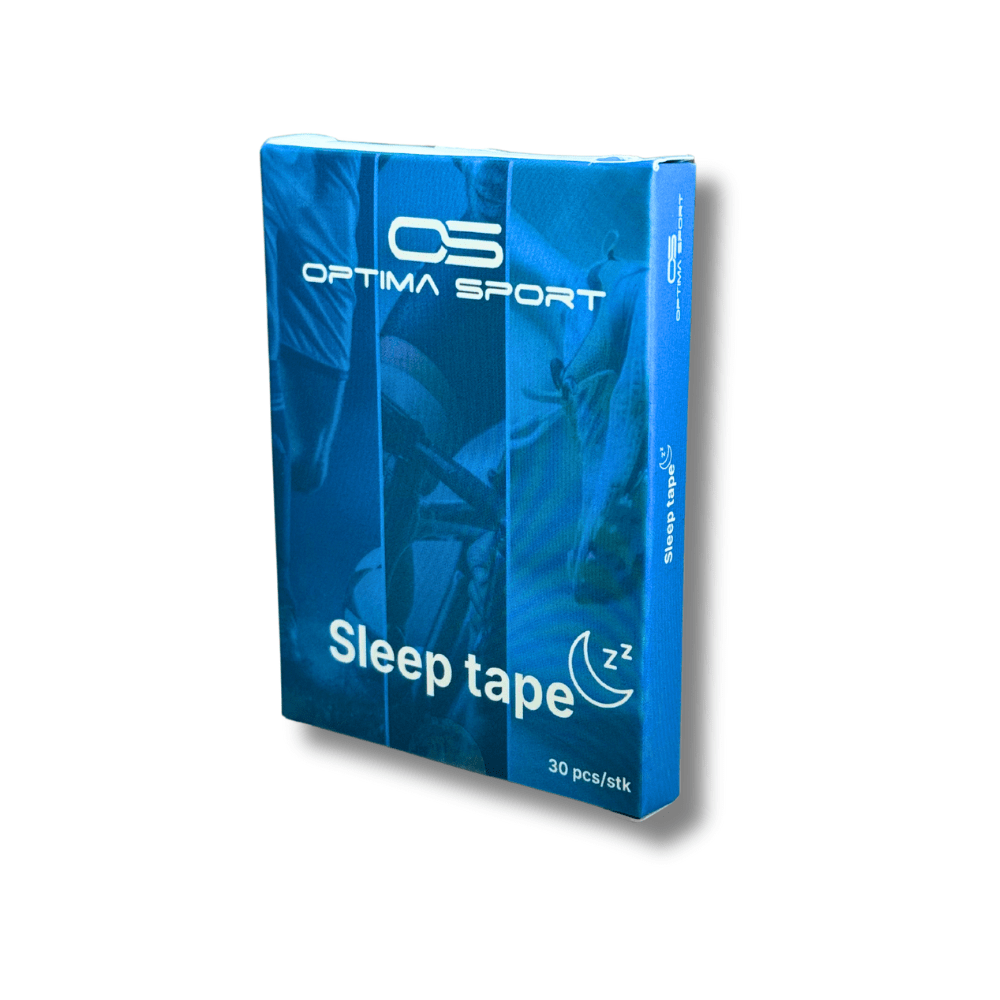
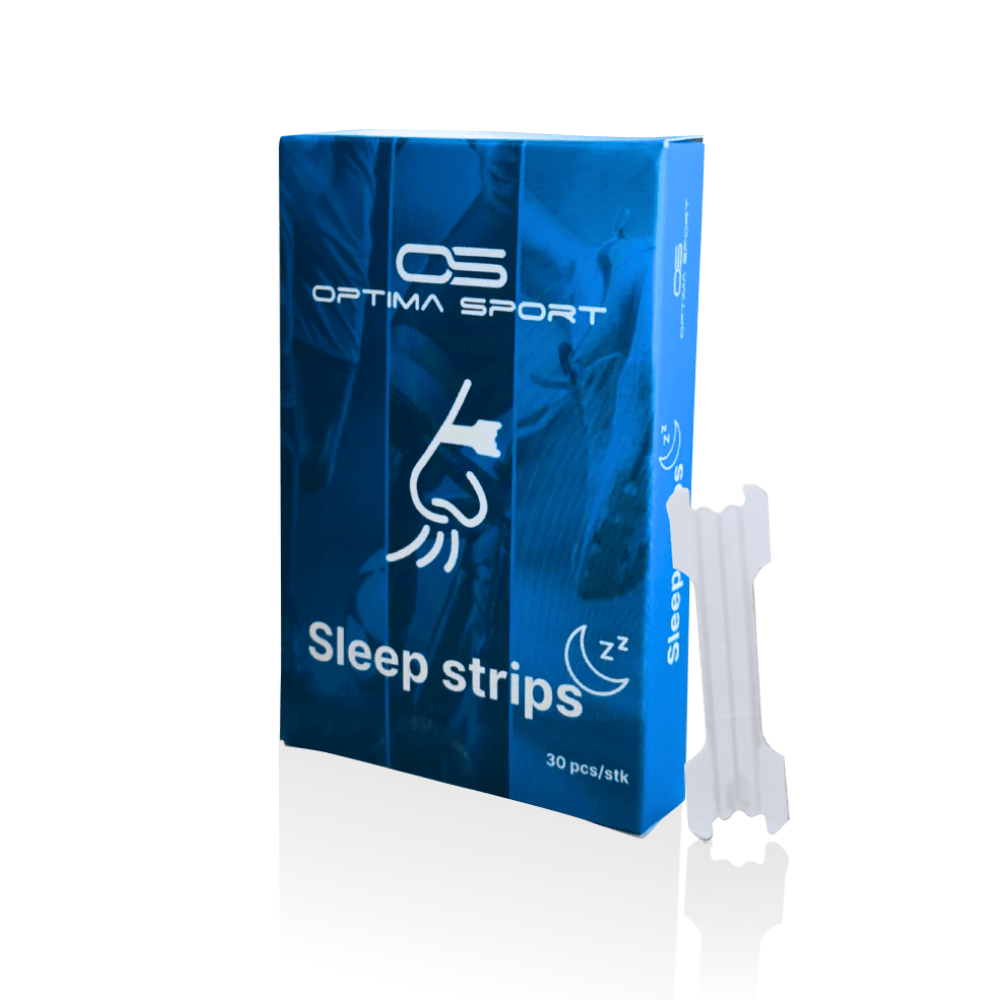
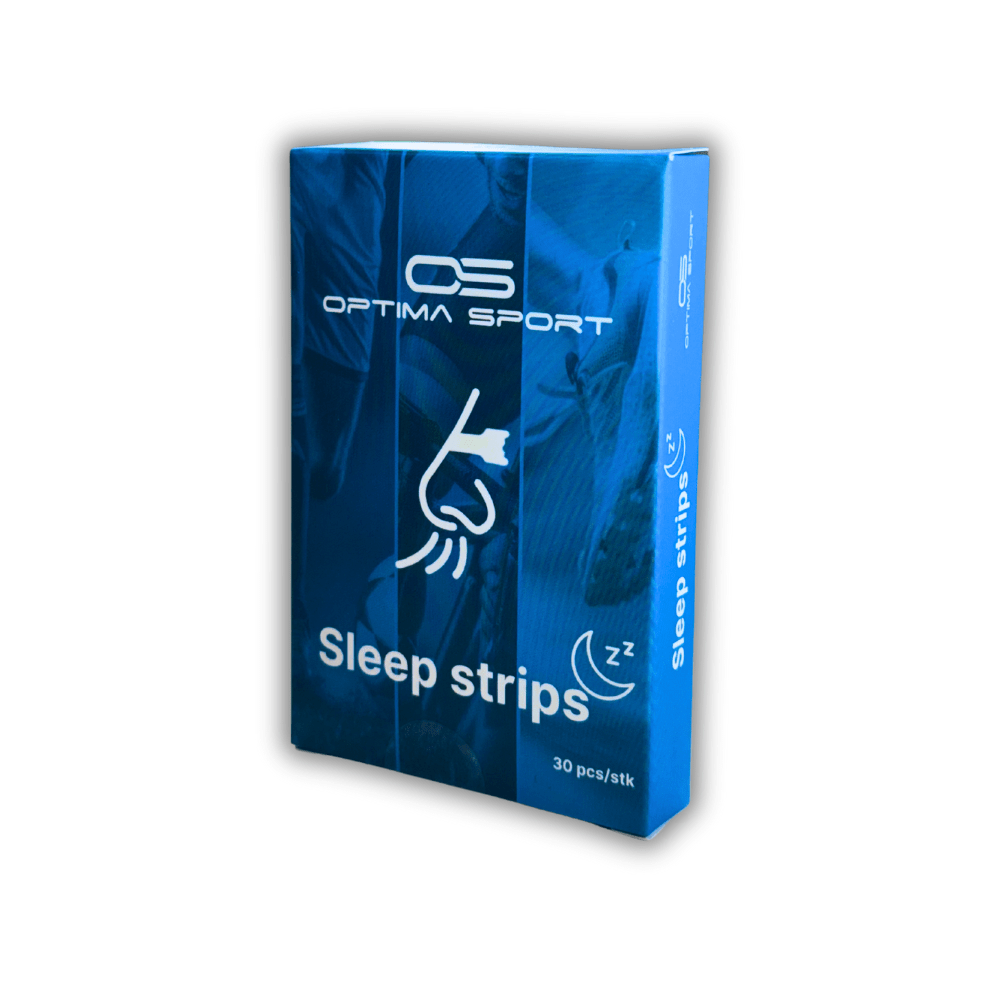
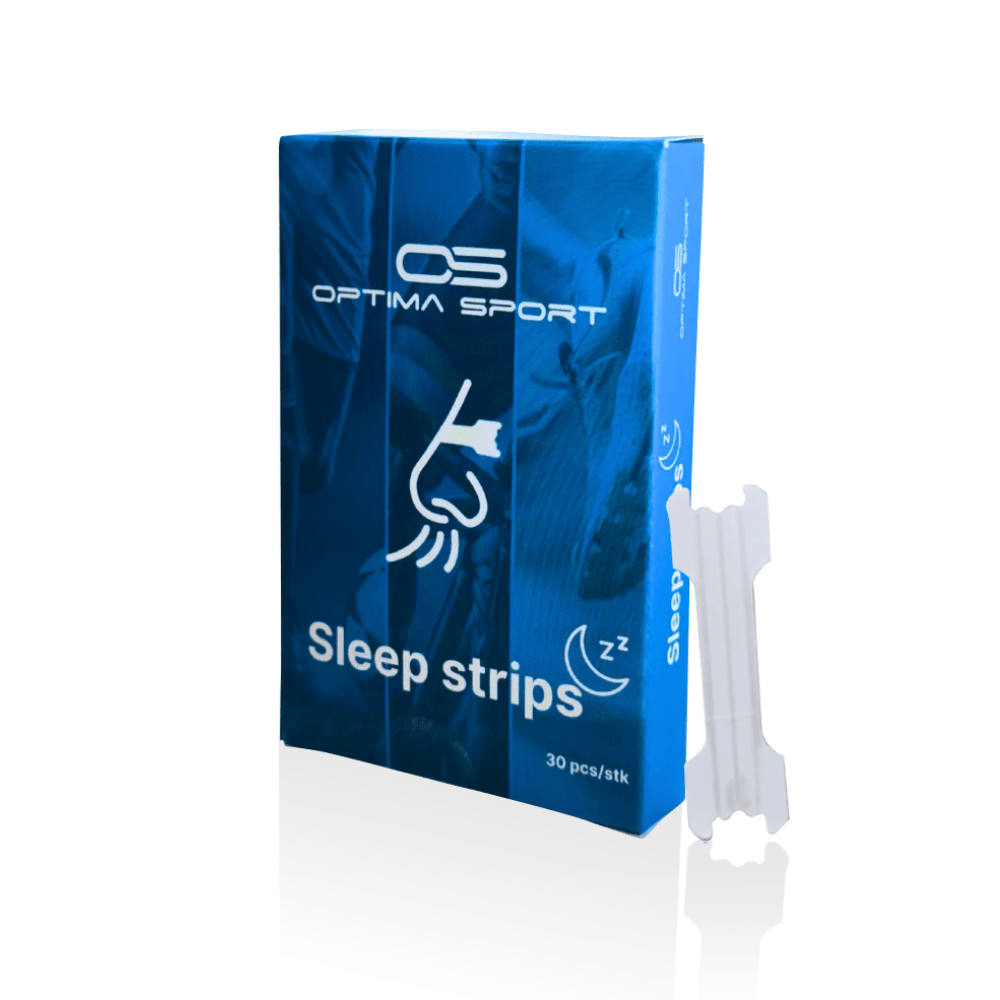
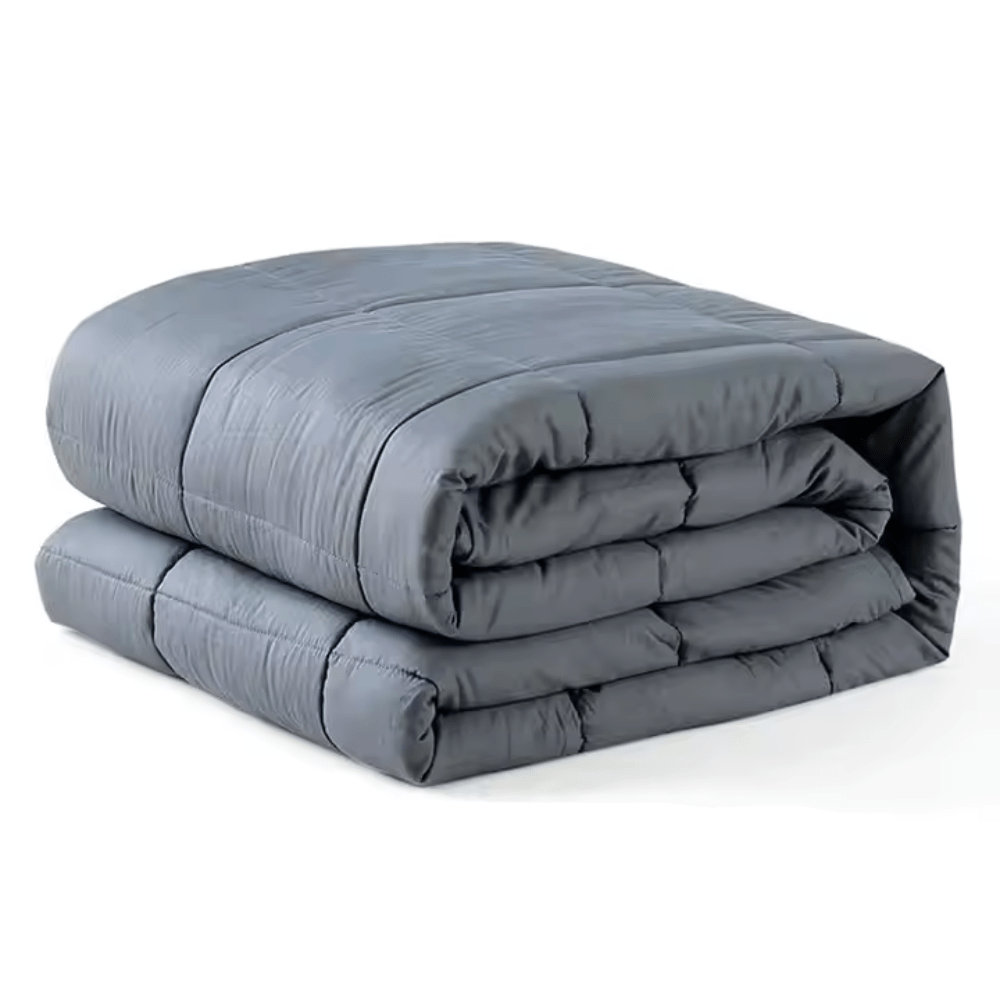
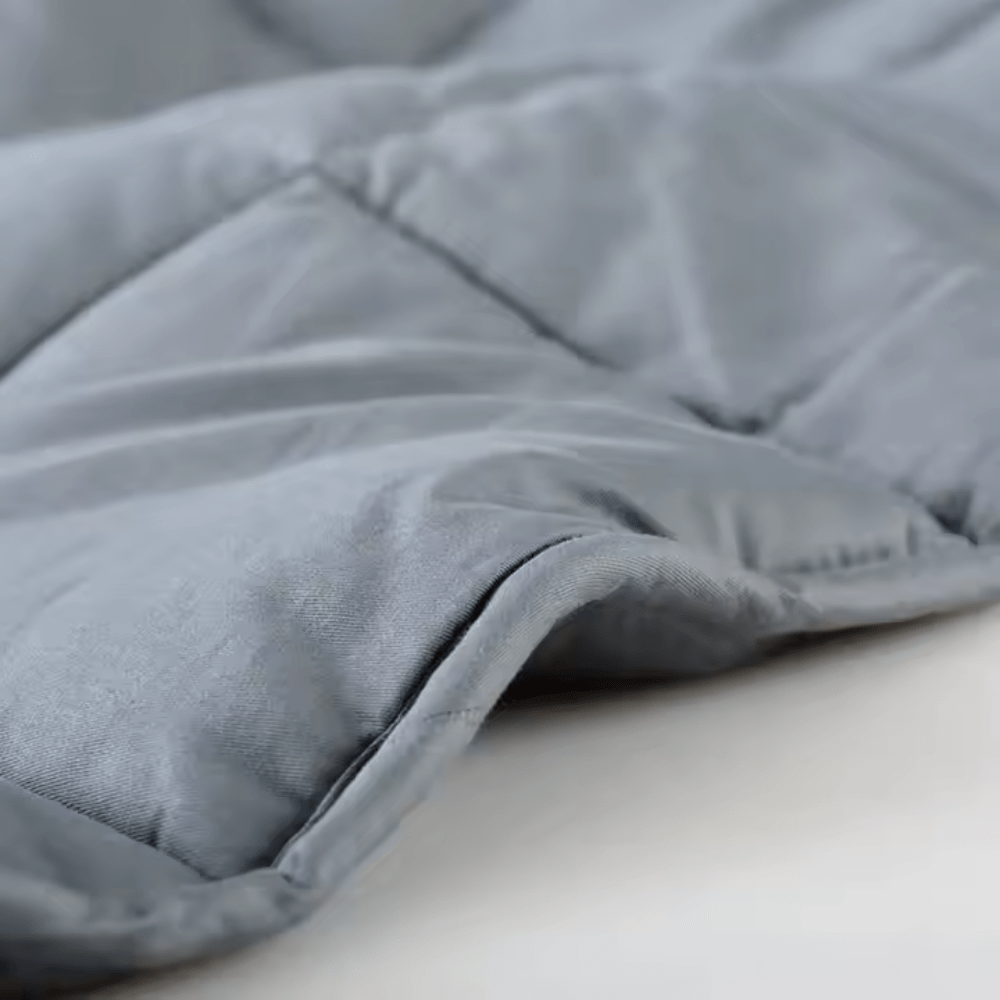
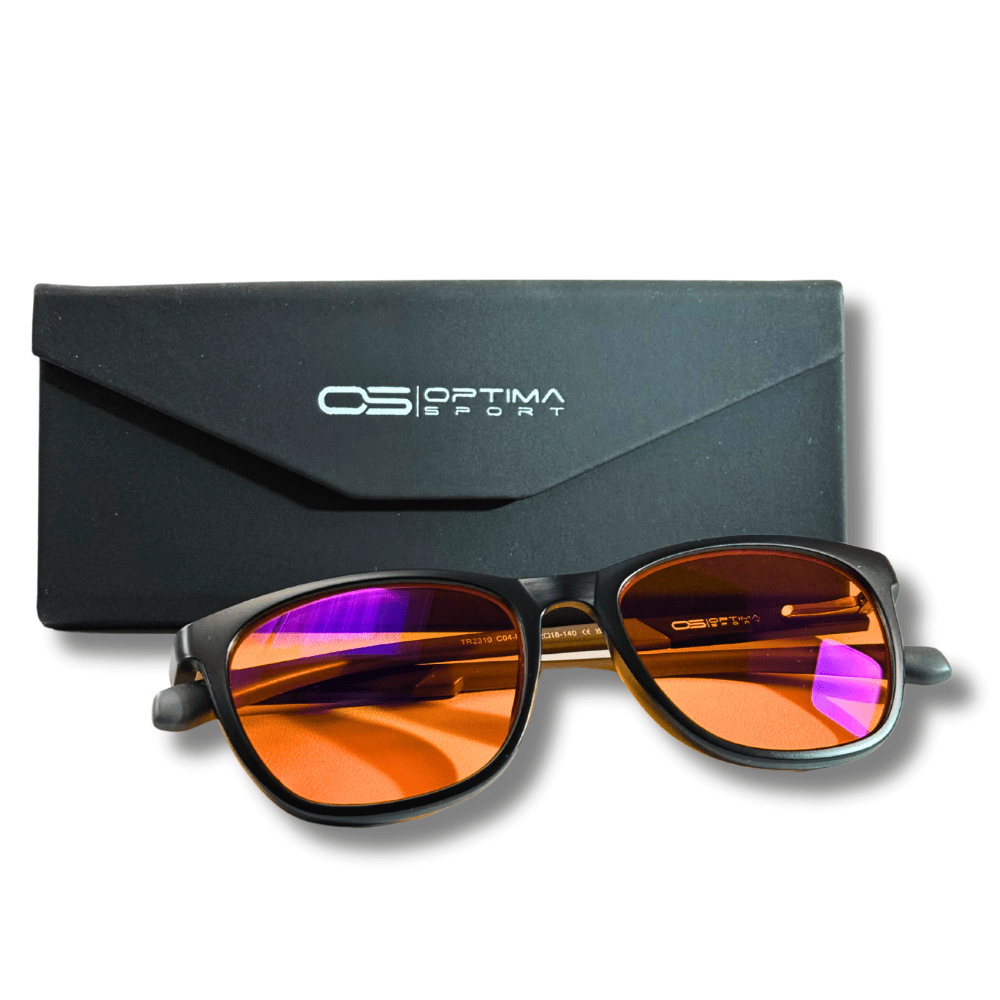
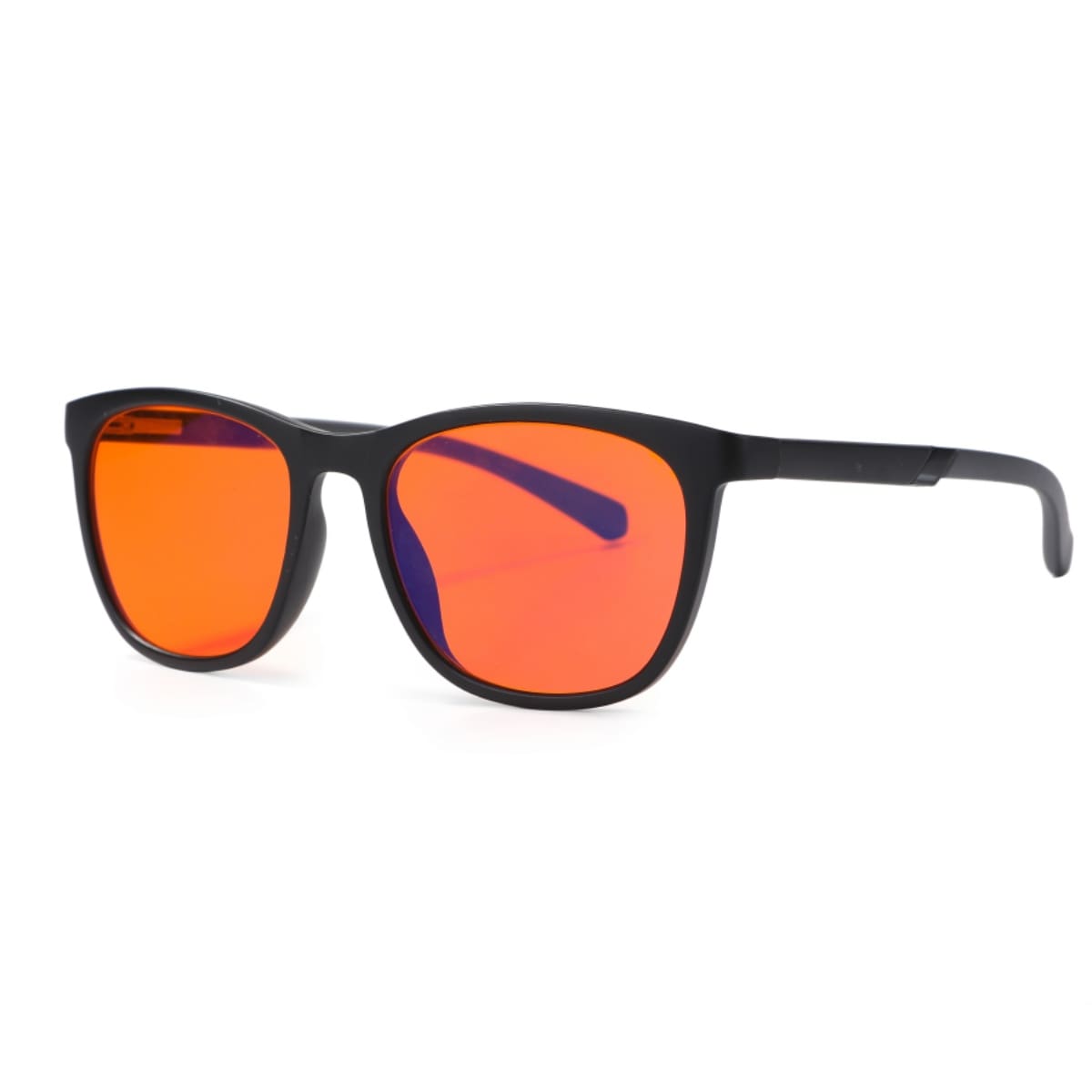
I have added the two new products (nasal tape and mouth tape) to the text and ensured that references to scientific studies are included. Below is the complete, updated text:
Sleep Optimization for Athletes and Active Individuals: Achieve Better Sleep and Performance
Maximize Your Recovery with Quality Sleep
As an athlete or active individual, you know that training is only one part of the equation. Recovery—especially through high-quality sleep—is just as critical for achieving the results you work so hard for. Many athletes struggle with soreness, fatigue, and slow recovery, particularly after intense training sessions. Fortunately, there is a wide range of products specifically developed to optimize sleep quality and support the body’s natural recovery processes.
Why Is Sleep So Important?
Sleep is not merely a passive state where the body “shuts down”—it is an active, essential process during which the brain and body perform critical functions that cannot occur while you are awake. Without sufficient, high-quality sleep, both physical and mental performance capacity are significantly impaired.
For athletes, sleep is especially important for the following reasons:
- Muscle recovery and growth: During sleep, growth hormone is released, which is essential for repairing muscle damage after training and building new muscle tissue.
- Cognitive function and learning: Sleep quality directly affects reaction time, decision-making, and the ability to learn new technical skills.
- Hormonal balance: Insufficient sleep disrupts hormonal balance, including the stress hormone cortisol, which at elevated levels can promote inflammation and muscle breakdown.
- Energy metabolism: Sleep deprivation can impair the body’s ability to store and utilize glycogen (the body’s fuel) efficiently, directly affecting endurance.
- Immune function: During sleep, the immune system is strengthened, protecting athletes from illness that can disrupt training plans and competitions.
The Stages of Sleep: A Journey Through the Night
Sleep is not a uniform state but consists of different stages that together form sleep cycles. Each cycle typically lasts 90–110 minutes, and over the course of a night you go through 4–6 cycles. Understanding these stages helps explain why uninterrupted, high-quality sleep is so important.
Non-REM Sleep (3 Stages)
Stage 1 (Drowsiness/Falling Asleep): This is the transition from wakefulness to sleep. Brain activity begins to slow, muscles relax, and bodily functions such as heart rate and breathing become slower. This stage is very light sleep, and you can be awakened easily. For athletes, this phase is particularly important, as a calm sleep environment can help ensure a quick transition into deeper sleep stages.
Stage 2 (Light Sleep): This stage accounts for around 50% of total sleep time. The brain produces specific wave patterns called “sleep spindles” and “K-complexes,” which are believed to be crucial for memory and learning. For athletes, this stage is important for consolidating new motor skills and technical movements.
Stage 3 (Deep Sleep): This is the deepest and most restorative sleep phase. Brain waves are very slow (hence the term “slow-wave sleep”). During deep sleep:
- The majority of growth hormone is released, which is critical for muscle recovery and growth
- Extensive tissue repair and cell growth take place
- The immune system is significantly strengthened
- The brain is “cleansed” of metabolic waste products
- Memory and learning are consolidated
Deep sleep is most prominent in the first sleep cycles of the night. For athletes, this stage is essential for physical recovery, which is why the first 3–4 hours of uninterrupted sleep are particularly important.
REM Sleep (Dream Sleep)
REM (Rapid Eye Movement): This stage is characterized by rapid eye movements beneath the eyelids, increased brain activity (almost like wakefulness), and temporary muscle paralysis. Most vivid dreaming occurs during REM sleep. REM sleep:
- Is essential for cognitive function and emotional processing
- Plays an important role in creativity and problem-solving
- Helps consolidate procedural memory (e.g., technical skills)
- Contributes to the brain’s ability to manage stress
REM sleep becomes longer in the later sleep cycles throughout the night. For athletes, this phase is important for mental recovery and for processing the emotional aspects of training and competition.
Over the course of the night, the duration of the sleep stages changes. Early in the night, deep sleep dominates, while REM sleep becomes longer and more prevalent later. This means that both the early and late hours of the night are important for complete recovery.
The Importance of Sleep for Performance and Recovery
When you sleep, your body undergoes critical repair and rebuilding processes. During deep sleep, growth hormone production increases significantly, which is essential for muscle recovery and growth. At the same time, a range of other processes occur that help to:
- Strengthen the immune system
- Increase mental clarity and reaction speed
- Improve coordination and precision
- Optimize energy stores for the next training session
- Reduce the risk of injury and overuse
Research shows that even minor disruptions in sleep quality can reduce physical performance by up to 10–15%, while consistently good sleep can lead to significant improvements in strength, endurance, and technical skills.
Eight Effective Products for Better Sleep
1. Weighted Blankets
How does it work? Weighted blankets are filled with small weighted beads that create even, deep pressure on the body. This pressure can stimulate the production of melatonin (the sleep hormone) and serotonin (the well-being hormone), while also reducing the production of the stress hormone cortisol.
Benefits for athletes:
- Promotes deeper and more continuous sleep
- Can reduce nighttime restlessness and movement
- Provides a calming sensation that can help “switch off” an active mind after intense training
- Many users report faster sleep onset and fewer awakenings
Scientific evidence: Research on the effects of weighted blankets is mixed. Studies have shown positive results, particularly among individuals with conditions such as anxiety, ADHD, and insomnia. A Swedish study from 2021 found that participants experienced an increase in melatonin levels of up to 32% during the first hour of sleep when using a weighted blanket compared to a regular blanket. For athletes, this may mean faster sleep onset and potentially deeper sleep. [Link to study: https://www.sciencedirect.com/science/article/pii/S1550830720303700]
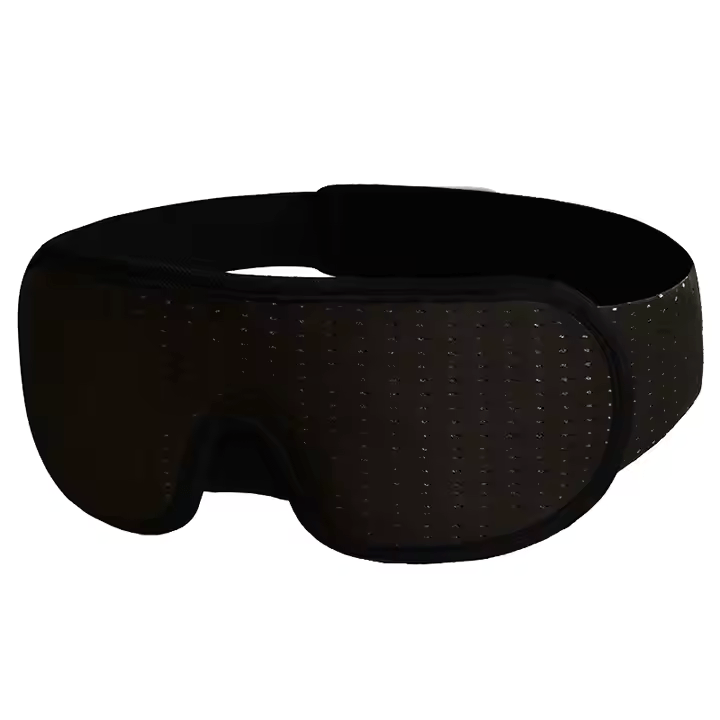
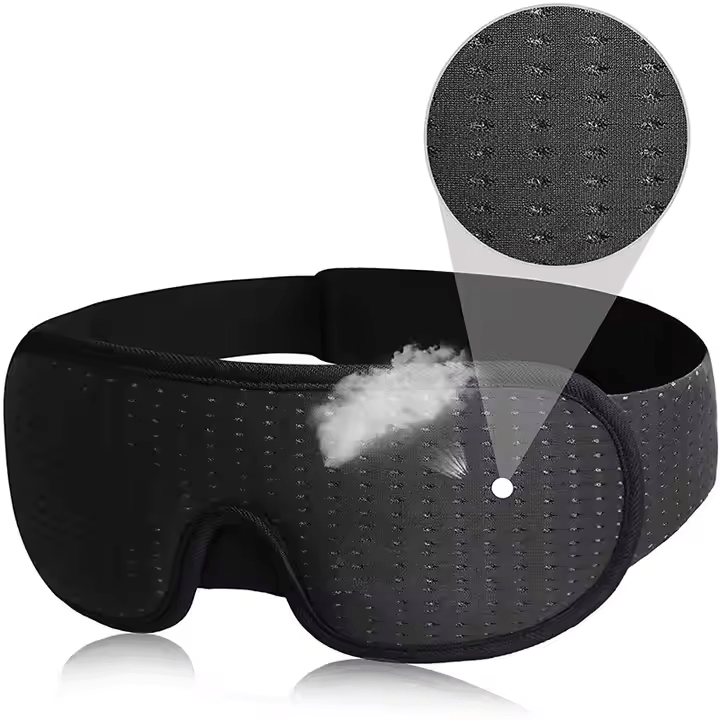
2. Sleep Masks
How does it work? Sleep masks block artificial and natural light, helping the body maintain its natural melatonin production, which is essential for good sleep.
Benefits for athletes:
- Creates optimal dark conditions regardless of surroundings—ideal for competition travel
- Easy to carry and use
- Can improve sleep quality, especially during altered sleep conditions (e.g., crossing time zones)
- Ideal for athletes who need to sleep in unfamiliar environments or at irregular times
Scientific evidence: A 2010 study showed that ICU patients achieved more REM sleep when using sleep masks, and a 2013 study confirmed that participants experienced poorer sleep and more restlessness when lights were on. Sleep masks may also have a calming effect on the face and around the eyes, helping relaxation and sleep onset. [Link to study: https://pubmed.ncbi.nlm.nih.gov/20398302/]
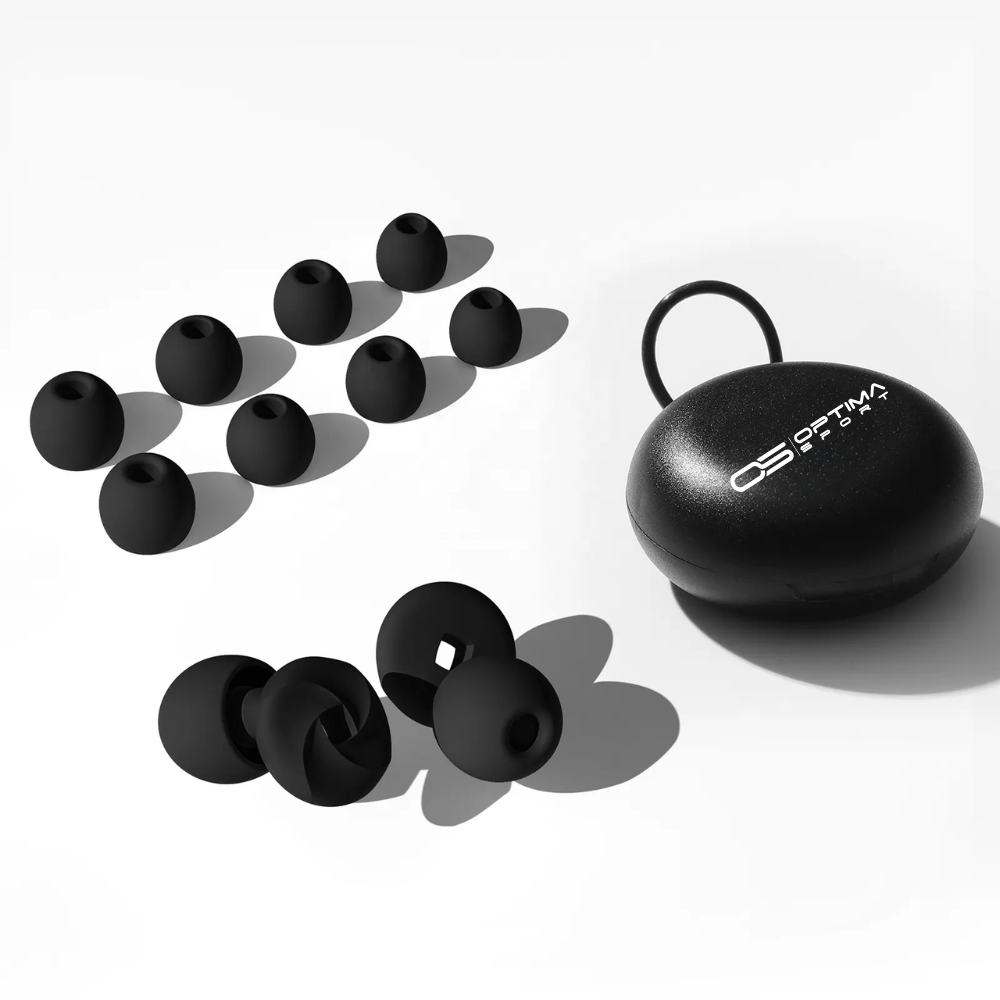
3. Earplugs
How does it work? Earplugs reduce noise that can disrupt sleep by creating a physical barrier in the ear canal.
Benefits for athletes:
- Minimizes disturbances from ambient noise
- Particularly useful during competition travel or in noisy environments
- Can help you fall asleep faster and remain in deeper sleep
- Creates a consistent sleep experience regardless of surroundings
Scientific evidence: Earplugs with noise reduction of around 29 dB can effectively dampen disruptive background noise, leading to significant improvements in sleep quality. A 2017 study noted that both sleep masks and earplugs can have a positive effect on subjective sleep quality. By reducing noise disturbances, the body is better able to progress through the necessary sleep cycles for optimal recovery. [Link to study: https://www.ncbi.nlm.nih.gov/pmc/articles/PMC5310494/]