

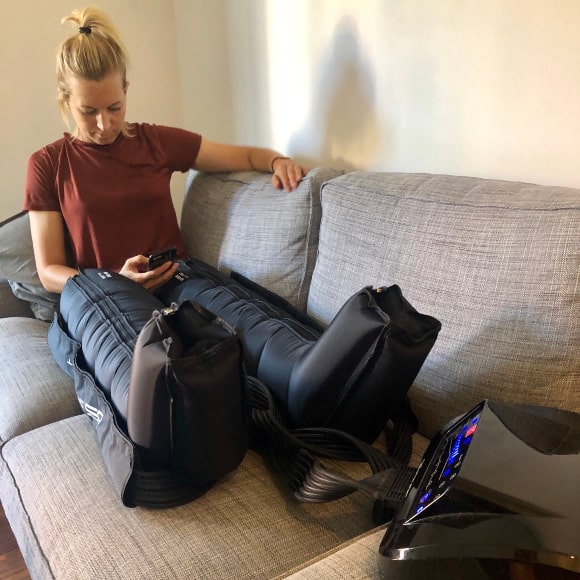



Really good product, and easy to use. Works perfectly and is fantastic after a long day of work or a run ☺️
Behöver du hjälp?
Stänga
Kontakta oss på:
customerservice@optimasport.com
Om du har några frågor eller behöver råd är du självklart välkommen att kontakta oss eller läsa våra vanligaste frågor (FAQ):

Mail
Du får normalt svar inom 24 timmar på vardagar. Skriv gärna ditt ordernummer i mejlet.
Preventing and Treating Calf Injuries in Sports
Struggling with calf injuries can be a frustrating setback for any athlete or avid exerciser. Whether you’re a professional player or someone who loves to stay active, understanding how to prevent, treat, and recover from calf injuries is essential. In this guide, we’ll explore the causes, symptoms, and effective tools to help you get back to your sport.
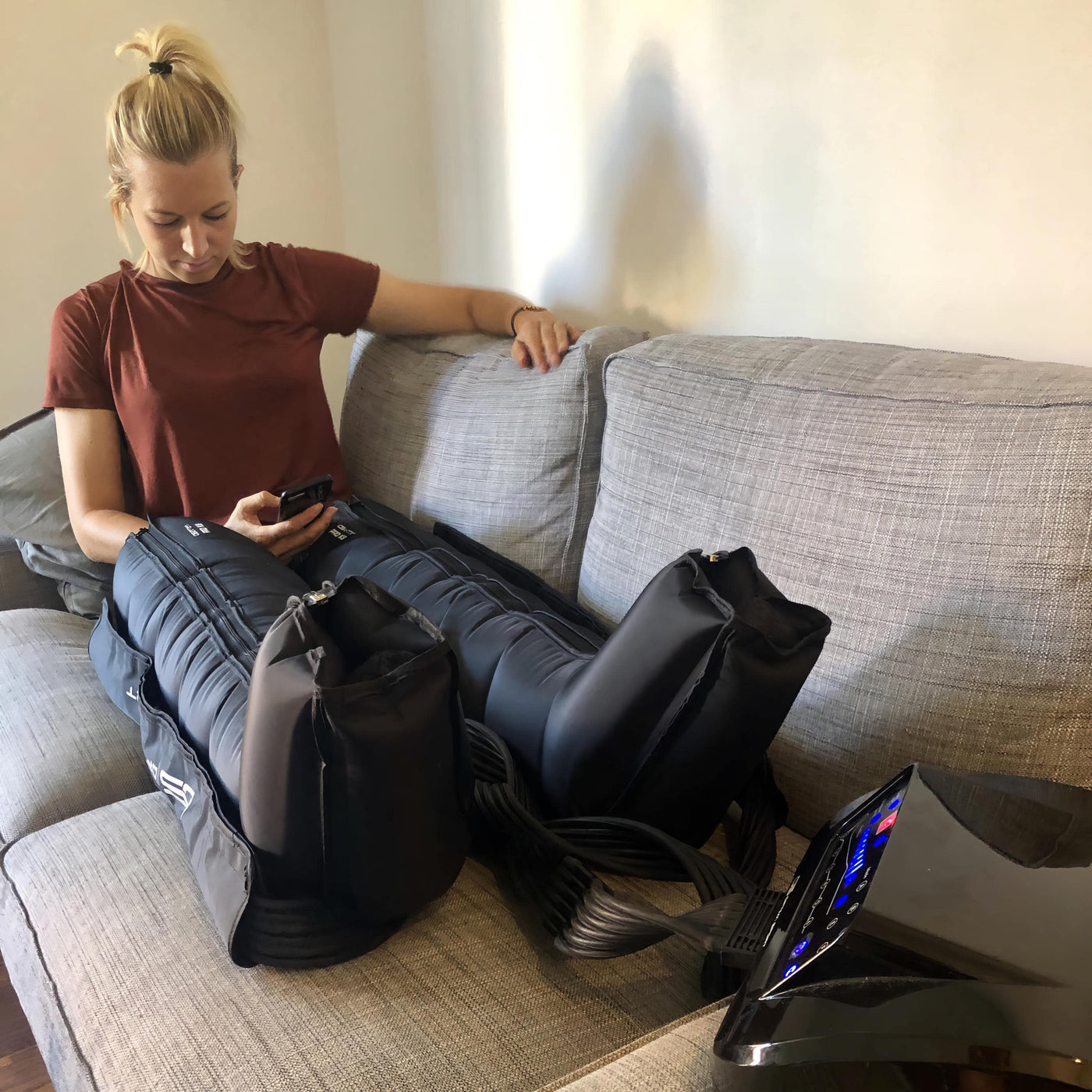
Enhance Your Calf Injury Recovery with These Devices
When calf injuries interrupt your athletic pursuits, having the right recovery tools is crucial to getting back on track. For athletes and avid exercisers like you, managing and recovering from calf injuries effectively is key to maintaining peak performance and overall well-being. We’ve selected a range of recovery tools tailored to your needs, each offering unique benefits to aid in your recovery process.
The Optima Sport Recovery Boots provide dynamic compression to improve circulation and reduce muscle soreness, accelerating your recovery.
Power dots utilize electrical muscle stimulation to activate your muscles, reducing pain and speeding up the healing process. This technology targets the affected areas directly, promoting quicker recovery and improved muscle function.
The Optima Sport massage gun delivers deep tissue massage to relieve muscle tension and enhance blood flow. Its targeted vibration therapy effectively reduces pain and accelerates muscle recovery, making it an essential tool for you when dealing with calf injuries.
Integrating these advanced recovery tools into your regimen ensures a comprehensive approach to managing calf injuries, helping you return to your athletic endeavors with strength and confidence
Calf injuries: Finding Relief with Electrical Massage Tools

Optima-Go mini massage gun
€129,95
Smart muscle stimulation relief
Calf injuries can be a significant setback for athletes and avid exercisers, but the Mini Massage Gun offers a practical solution for targeted relief and recovery.
This compact device delivers powerful, deep-tissue massage to alleviate tension and promote healing.
To use, simply turn on the massage gun, select your desired intensity, and gently apply it to the affected calf muscles. Move the device slowly along the muscle fibers, allowing the vibrations to penetrate deeply and relieve discomfort.
The Mini Massage Gun’s lightweight design and portability make it perfect for on-the-go use, ensuring you have relief whenever and wherever you need it. Its ergonomic handle and multiple intensity settings make this tool easy to use and highly effective in managing calf injuries. This ensures you can quickly return to your training regimen without prolonged downtime.
Slutsåld
Innovative calf solution
The PowerDot 2.0 Duo can address calf injuries by providing effective muscle stimulation to promote recovery and prevent re-injury.
The PowerDot 2.0 Duo offers advanced electrical muscle stimulation (EMS) technology, helping to enhance muscle performance, reduce pain, and speed up recovery.
To use, simply connect the pads to your calf muscles, select your desired program via the mobile app, and let the device work its magic. This portable and user-friendly device ensures you can manage calf injuries effectively, whether at home or on the go. Please see this video for more instructions.
Incorporating the PowerDot 2.0 Duo into your recovery routine can make a significant difference in managing calf injuries, allowing you to return to your favorite activities faster and stronger.

Recovery Boots 8 kammare Batteri Gen2
€799,00
Targeted 8-chamber compression
Knee pain can be a significant hurdle for athletes, but the Optima Sport Recovery Boots K8 can help alleviate this issue.
These advanced recovery boots utilize dynamic compression to reduce pain and promote faster recovery.
To address knee pain, simply wear the recovery boots and select the appropriate pressure setting and program. The 8-chamber design ensures comprehensive coverage and targeted compression around your knees. Use the boots post-exercise or during rest periods to enhance circulation and reduce inflammation.
With their portable and easy-to-use design, the Optima Sport Recovery Boots K8 are perfect for athletes seeking effective knee pain relief. The battery-operated system ensures you can take your recovery boots anywhere, providing continuous support to keep you performing at your best.
Slutsåld

Recovery Pants 12 kamrar desktop modell
€1.499,00
Dynamic compression relief
Knee pain can be a significant setback for athletes and avid exercisers, but the Optima Sport Recovery Pants K12 offer a practical solution to enhance recovery and alleviate discomfort.
These advanced recovery pants use dynamic compression to improve circulation and reduce inflammation.
To use, simply put on the pants, select the desired pressure setting and program, and relax while the 12 chambers work to massage and compress your legs, focusing on areas around the knee to relieve pain and promote healing.
Compared to the 8-chamber model, the 12-chamber Optima Sport Recovery Pants offer a more precise and comprehensive massage due to the additional chambers, and they allow for individual pressure adjustments in each chamber.
With their user-friendly interface and adjustable settings, these pants are perfect for managing knee pain and ensuring you stay on top of your game.
Performance
The athletes who use Optima Sport
Many athletes use Optima Sport's products to achieve faster recovery and to recover quickly from injuries.
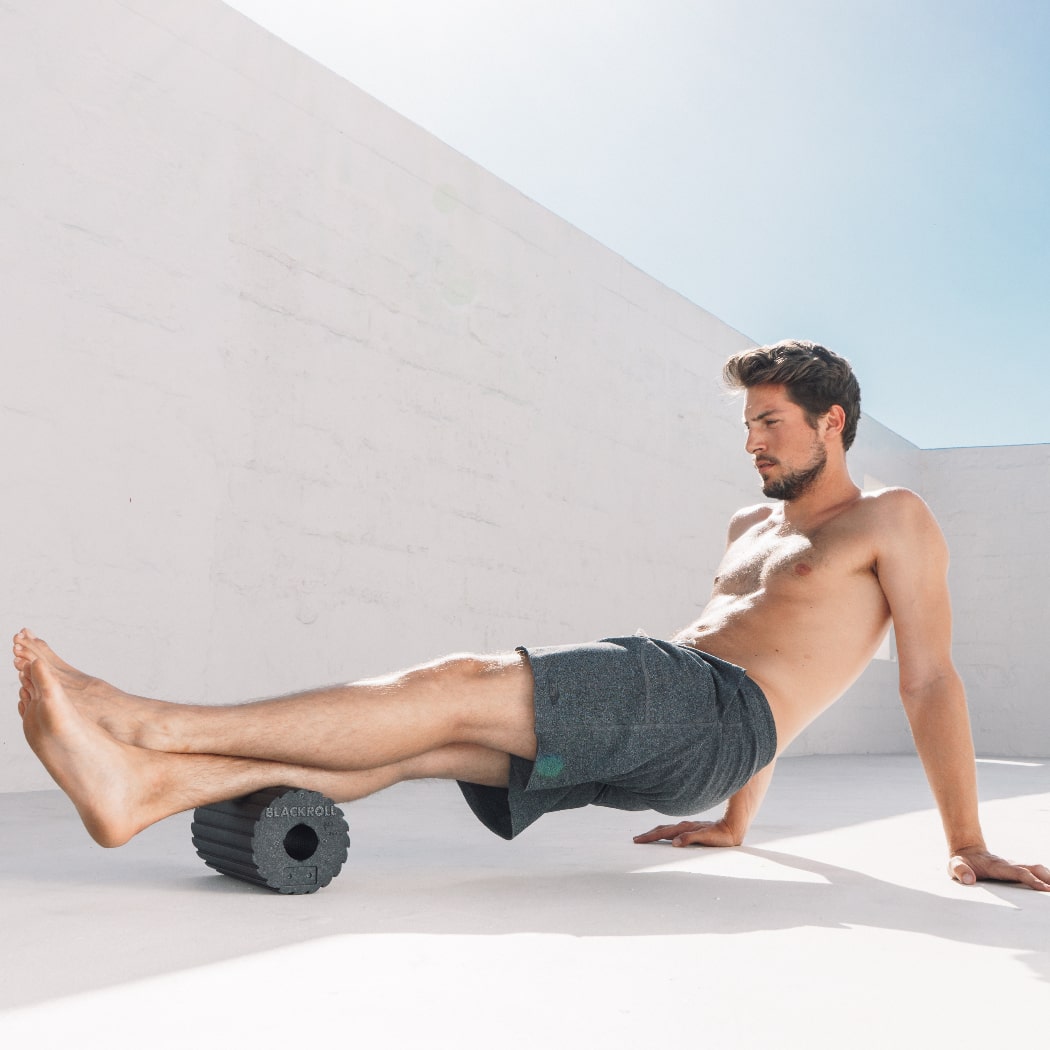
Harness Mobility, Stretching, and Myofascial Release for Calf Injury Recovery
Dealing with knee pain can be a major setback for athletes and avid exercisers, but with the right recovery tools, you can effectively manage pain and accelerate recovery.
Utilizing foam rollers, you can release muscle tension and improve blood flow around the knee. The specialized knee box offer targeted compression and support, helping to stabilize and protect your knee during activity. For a more advanced solution, combining foam rolling with vibration technology enhances muscle relaxation and pain relief.
Additionally, pinpointed vibration therapy tools address specific areas of discomfort. Integrating these innovative tools into your recovery routine ensures comprehensive knee pain management and supports your athletic performance.
Must-Have Recovery Tools for Calf Pain Relief
Slutsåld
All-in-one box for knee pain
Knee pain in sports can hinder your performance, but the BlackRoll Knee Box offers an effective solution for relief and recovery.
This versatile knee box provides you with the perfect tools to prevent and relieve knee pain. The BlackRoll Knee Box is designed to promote muscle relaxation and blood circulation around the knee, helping to reduce pain and inflammation.
Use the specially designed foam roller by placing it under the knee, applying gentle pressure, and performing slow, controlled movements. This technique helps to release tension and support recovery.
Incorporate the BlackRoll Knee Box into your recovery routine to manage your knee injury. This is an indispensable collection of tools for athletes and exercisers who want to treat and prevent knee injuries.

Theragun Wavesolo
€90,00
Deep Tissue Vibration Therapy
The Theragun Wave Solo offers a practical solution for targeted pain relief and recovery from calf pain.
Calf injuries can be a significant challange. This compact, ergonomically designed device delivers powerful vibrations to alleviate muscle tension and promote faster recovery.
To use, simply turn on the Wave Solo, select your desired intensity, and gently apply it to the affected area of your calf. Move the device slowly along the muscle, allowing the vibrations to penetrate deeply and relieve discomfort.
The Theragun Wave Solo’s compact design makes it perfect for on-the-go use, ensuring you have relief whenever and wherever you need it. This tool is easy to use and highly effective in managing calf injuries, enhancing your overall athletic performance.

Theragun 12 Wave Roller
€170,00
Vibrating Foam Roller
Experience faster recovery from calf injuries with the Theragun Wave Roller, designed to reduce muscle soreness and improve performance.
The Theragun Wave Roller combines vibration therapy with a textured surface to enhance blood flow, reduce muscle soreness, and promote faster recovery. This foam roller helps alleviate tension in the calf muscles, aiding in quicker healing and improved performance.
To use the Wave Roller on your calf muscles, turn on the device and select your preferred vibration setting. Position the roller under your calf and slowly roll from your ankle to just below your knee, allowing the vibrations to penetrate deeply into the muscle tissue. Spend extra time on any tight or sore areas to maximize the therapeutic benefits.
The Wave Roller’s ergonomic design and customizable vibration settings make it a versatile tool for any athlete. Whether you’re dealing with a calf strain or simply looking to prevent injury

BlackRoll Loop Band Set x 6
€69,90
Ideal for rehab exercises
BLACKROLL® Loop Band offers an effective solution for strengthening and rehabilitation, making it ideal for your calf recovery.
The BLACKROLL® Loop Band is designed to enhance your workout routine, providing moderate resistance to help build muscle strength and improve flexibility. Made from skin-friendly fabric, it ensures a comfortable and secure fit without irritating your skin.
To use the BLACKROLL® Loop Band for calf injuries, place the band around your legs just above the ankles. Perform exercises like calf raises and lateral leg lifts to target and strengthen the calf muscles. The band’s resistance helps engage the muscles more effectively, promoting recovery and preventing future injuries.
The BLACKROLL® Loop Band is compact and portable, making it an excellent addition to your gym bag for use at home, at the gym, or on the go. This versatile band is a practical tool for anyone looking to enhance their fitness routine and support recovery from calf injuries.
⭐⭐⭐⭐⭐
Excellent guidance over the phone, where I got answers to the questions I had. Afterwards, I received my new Recovery Boots K8 Gen2, which I have already become very fond of - a definite recommendation from here!
⭐⭐⭐⭐⭐
Fast and accurate delivery, the follow-up is really good style. My son struggles with heavy legs, and they have really helped here. I myself use them after cycling for recovery and sore muscles. World-class.
⭐⭐⭐⭐⭐
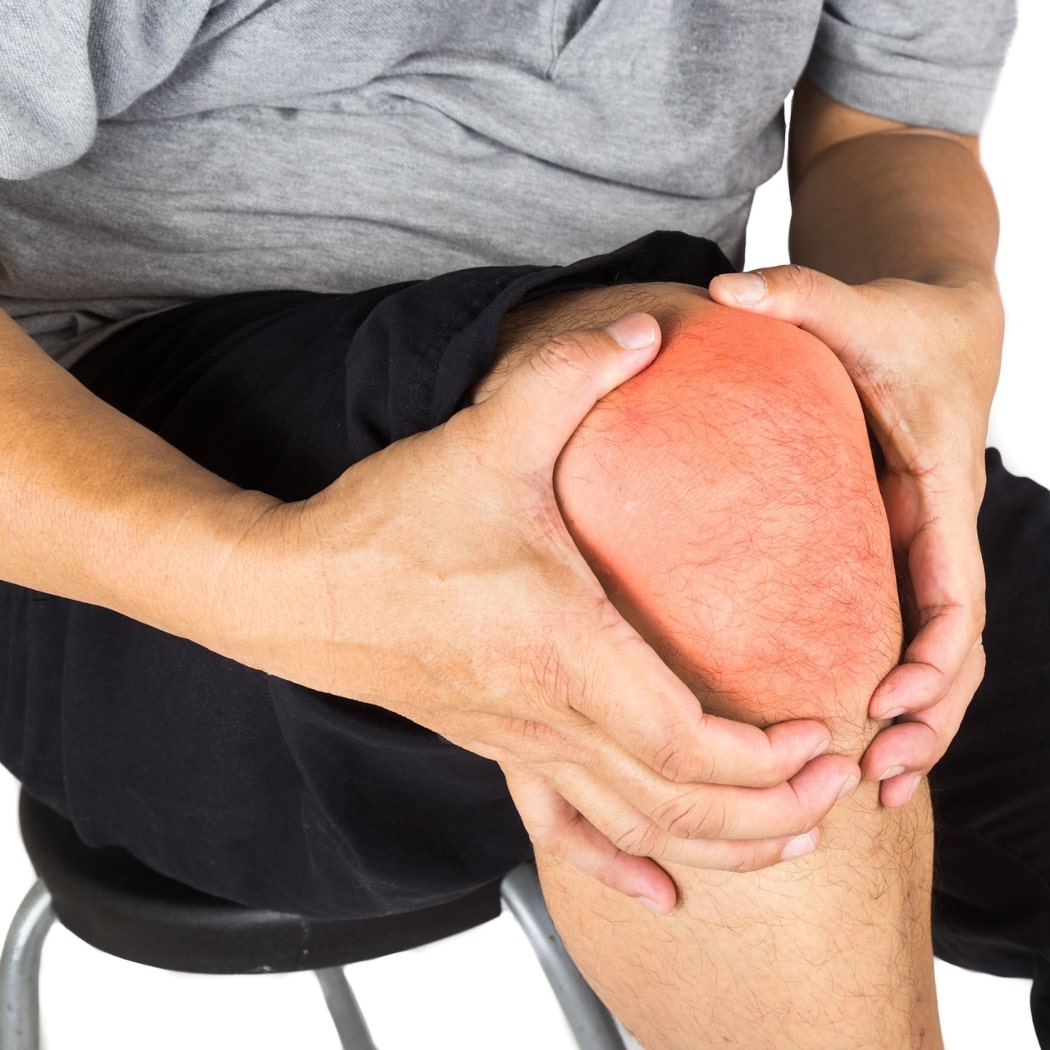
Common types of knee injuries
Many athletes deal with knee injuries. Knowing the specific types of injuries can help in managing and preventing them. The key types include runner’s knee, jumper’s knee, meniscus injury, ACL injury, and PCL injury.
Runner's Knee
Runner's knee, or patellofemoral pain syndrome, causes pain around the kneecap. This pain may worsen when you run, squat, or climb stairs. The pain is usually due to overuse, misalignment, or weakness in the muscles around the knee. Rest, ice, compression, and elevation (RICE), along with physical therapy exercises to strengthen and stretch the muscles, can help manage the condition.
Jumper’s Knee
Jumper’s knee, known as patellar tendinitis, causes pain in the tendon connecting the kneecap to the shinbone. It hurts more during jumping activities and can lead to swelling and tenderness. Treatment includes rest, ice application, anti-inflammatory medications, and physical therapy. Exercises to strengthen the quadriceps and improve flexibility play a crucial role in recovery.
Meniscus Injury
Meniscus injury involves a tear in the knee's cartilage. This injury usually happens during twisting movements or sudden stops. Symptoms include pain, swelling, and difficulty moving the knee. Some cases require surgery, while others may improve with rest, physical therapy, and medications. Strengthening exercises and activities that avoid twisting motions are recommended for recovery.
ACL Injury
An ACL injury is a tear of the anterior cruciate ligament, often occurring during sports that involve sudden stops and changes in direction. Symptoms include a “pop” sound at the time of injury, severe pain, and knee instability. Treatment ranges from rest and physical therapy to surgical reconstruction. Rehabilitation focuses on regaining knee strength and stability to return to sports activities.
PCL Injury
PCL injury refers to damage to the posterior cruciate ligament, usually due to a direct impact to the front of the knee. Symptoms are similar to ACL injuries but may also include swelling and difficulty walking. Treatment may involve bracing, physical therapy, and possibly surgery. Exercises to strengthen the knee and improve mobility are important for recovery.
I've always had sore muscles
As a triathlete, I've always had sore muscles the day after long training sessions, but that's over now. I use them almost daily and now have fresh legs even after my first half Ironman. I recommend this to anyone who wants good/fresh legs every day. They are easy to use and the service is great if you have questions - recommended for everyone.
Treatment and Recovery
When you injure your calf, it's important to take the right steps to heal properly. Here you can apply the R.I.C.E. Method (Rest, Ice, Compression, Elevation). R.I.C.E is the first line of treatment for calf injuries. It helps reduce pain and swelling, promoting faster recovery.
First, rest your leg to avoid further damage. Use crutches if needed to keep weight off the injured calf.
Applying ice can reduce swelling. Try icing your calf for 15-20 minutes every 2-3 hours during the first 48 hours.
Compression helps minimize swelling, too. Wrap your calf with an elastic bandage, making sure it's not too tight.
Keep your leg elevated above heart level when possible. This helps reduce swelling.
Use over-the-counter pain relievers like ibuprofen to manage pain and swelling. Follow the dosage instructions on the package.
As swelling decreases, start gentle stretching and light exercise. This helps regain flexibility and strength. Always stretch slowly and do not push through pain.
Physical therapy can be useful. A physical therapist can design a specific exercise program to help you recover faster.
Consider using massage or foam rolling to aid in muscle recovery and improve blood flow.
Here's a quick reminder of these steps:
| Treatment | Details |
|---|---|
| Rest | Avoid putting weight on the injured calf |
| Ice | 15-20 minutes every 2-3 hours |
| Compression | Use an elastic bandage |
| Elevation | Keep leg above heart level |
| Pain relievers | Ibuprofen or similar |
| Stretching/Exercise | Gentle, slow, pain-free stretching |
| Physical therapy | Guided recovery program |
| Massage/Foam Rolling | Enhance muscle recovery |
Following these steps can help you recover effectively from a calf injury. Always listen to your body and seek professional medical advice if needed.
Strategies for Calf Injury Recovery
Recovering from a calf injury requires a planned approach. Key strategies include specific exercises that aid in rehabilitation.
Rehabilitation Exercises
Rehabilitation exercises help restore strength and flexibility to your calf. It's important to start with gentle stretches. Calf stretches involve standing with your hands against a wall, and slowly pressing your heel down to stretch the calf muscle.
Strengthening exercises are also vital. Begin with calf raises, where you stand on a step and slowly raise and lower your heels.
In addition, incorporating light resistance band exercises can further enhance muscle strength. These bands provide controlled resistance, helping rebuild muscle without overexertion.
Focus on gradual progression to avoid re-injury. Consulting a physical therapist can ensure that exercises are tailored to your recovery stage.
Returning to Sport
After a calf injury, it's important to ease back into your sport.
Follow these steps:
- Start Slow: Begin with light activities. Walk before you run.
- Warm Up: Always stretch your calf muscles. This helps prevent re-injury.
- Listen to Your Body: If you feel pain, stop. Don't push through it.
| Phase | Activity |
|---|---|
| Phase 1 | Walking, gentle stretching |
| Phase 2 | Light jogging, swimming |
| Phase 3 | Full running, sport drills |
Stay consistent. Follow a schedule. Build up your strength over time.
Equipment matters: Use proper footwear. Good shoes support your calves.
Consider cross-training. Swimming or cycling can keep you fit without stressing your calves.
Monitoring Progress:
- Keep a journal: Track your activities and pain levels.
- Consult a professional: Regular check-ups with a physiotherapist can help.
Returning to sport is a gradual process. Take your time and be patient. This helps ensure a safe comeback for your calf muscles.
FAQ for calf pain in sport
Calf injuries are common among athletes. Understanding treatment options, symptoms, and recovery can help manage these injuries effectively.
Rest and ice are key. Elevate your leg and avoid putting weight on it. Compression bandages can reduce swelling. Physical therapy can also help.
A strain usually causes mild to moderate pain, while a tear can result in severe pain and bruising. Tears may cause difficulty walking or standing.
It's not recommended. Playing sports with a calf strain can worsen the injury and prolong recovery time.
A moderate calf strain generally requires 4 to 6 weeks to heal. This can vary based on the severity and treatment approach.
Several factors can delay healing. These include not resting enough, reinjury, or improper treatment. Underlying health issues can also affect recovery.
Follow a balanced approach of rest and activity. Gradually increase activity levels. Physical therapy, proper hydration, and a healthy diet can aid recovery.
Overuse and improper warm-up are common causes.
Recovery time varies but generally ranges from 2 to 8 weeks.
While not entirely preventable, proper care and training can significantly reduce the risk.
Calf raises, seated calf presses, and balance exercises.
If pain persists or worsens, seek medical attention.
Sports involving running and jumping, like basketball and soccer.
Severe pain, swelling, and inability to walk are signs of a serious injury.
Physical therapy is crucial for strengthening and rehabilitating the calf muscles.
It's best to rest and follow a rehabilitation plan to prevent worsening the injury.
FAQ for Shipping and delivery
Welcome to our Shipping and Delivery FAQ section! Here you'll find answers to frequently asked questions regarding shipping times, delivery methods, tracking, and more. We aim to provide clarity and transparency about our shipping process to ensure a smooth and satisfactory experience for our valued customers.
We offer free shipping for purchases over € 99 to a GLS parcel shop.
Purchases under € 99 incur a shipping fee of € 12.
We mainly ship with GLS but also with Bring, and local carriers.
We ship within 1-3 business days. The package is often delivered between 2-3 days.
We will only charge you for your order when your item is shipped.
Vi sender dig et trackingnummer, så snart din pakke er afsendt. Med dette nummer kan du følge din pakkes rejse frem til levering.

Contact Us via Email
customerservice@optimasport.com
Feel free to email us with any questions. We typically respond within 2 days. Your inquiries are always welcome!