

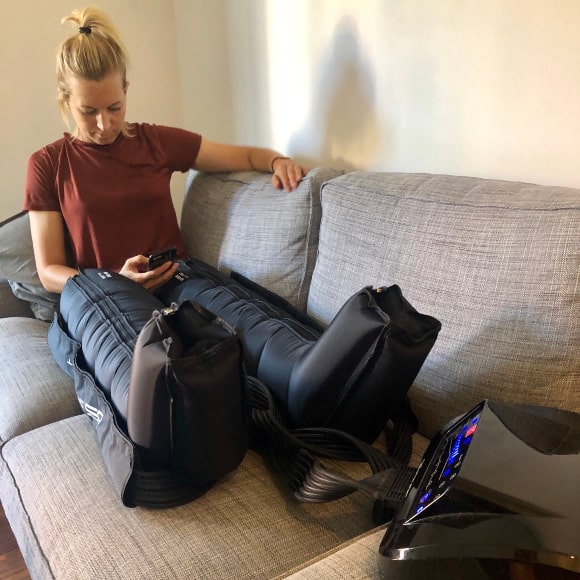





Really good product, and easy to use. Works perfectly and is fantastic after a long day of work or a run ☺️
Tarvitsetko apua?
Close
Ota meihin yhteyttä:
customerservice@optimasport.com
Mikäli sinulla on kysyttävää tai tarvitset apua, voit ottaa meihin yhteyttä tai tutustua vastauksiimme usein kysyttyihin kysymyksiin (UKK):

Mail
Vastaamme viesteihin normaalisti 24 tunnin sisällä arkipäivisin. Muista liittää mahdollinen tilausnumerosi sähköpostiviestiin.
Beat Elbow pain in sport- Your Complete Recovery Guide
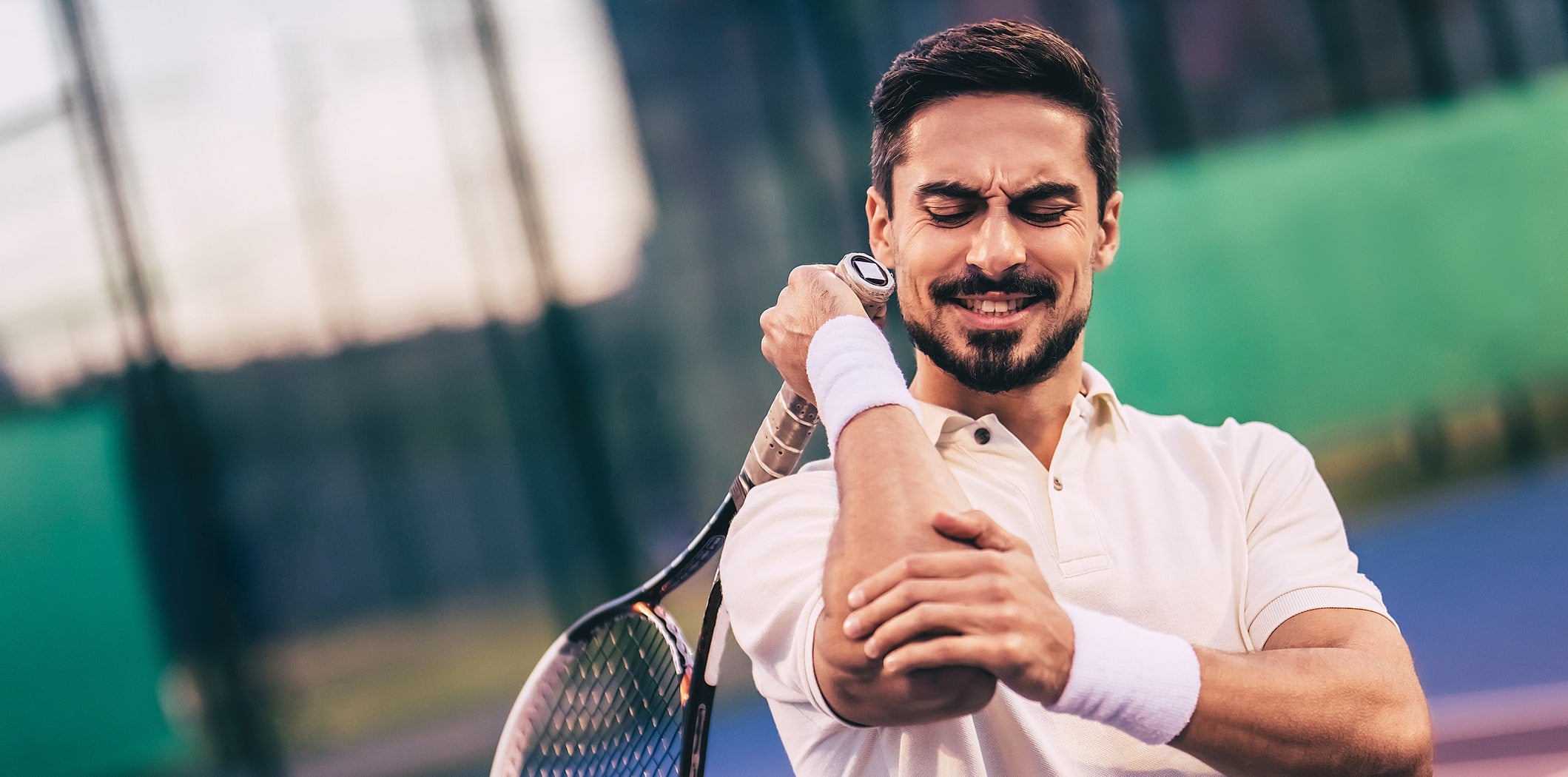
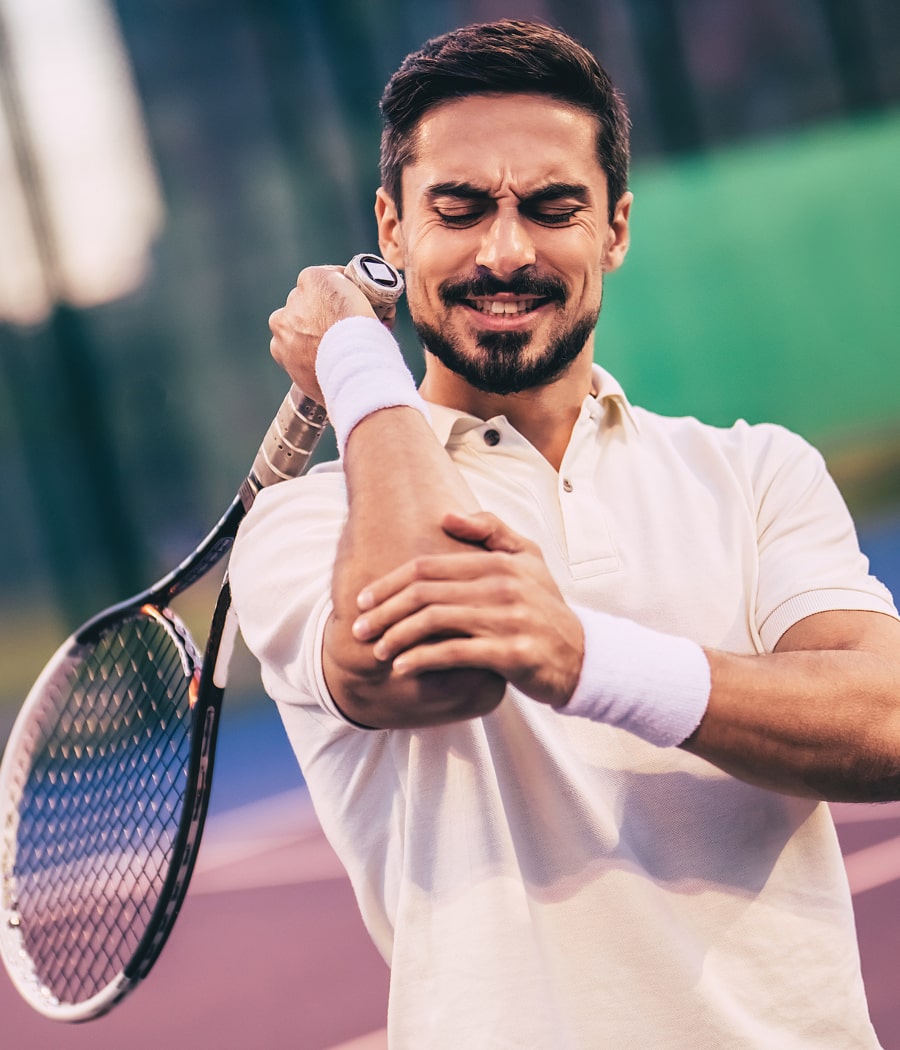
Imagine waking up with sharp elbow pain, making it hard to grip a coffee cup. This is a common issue for athletes and exercisers suffering from elbow pain, often related to tennis elbow or golf elbow. But what exactly are these conditions? This guide will walk you through the symptoms, traditional and advanced recovery methods, and preventive measures to avoid future injuries.
Best Electrical Devices for Managing Elbow Pain
Tennis elbow can be a significant setback for athletes and avid exercisers, but the right recovery tools can make a substantial difference in your journey to pain relief and healing. We’ve curated a selection of advanced electrical tools designed specifically to address and alleviate the discomfort associated with tennis elbow and other elbow injuries.
The Powerdot offers electrical muscle stimulation to enhance recovery by targeting the affected area with precise, controlled impulses. The Massage Gun provides deep tissue massage to loosen tight muscles and reduce inflammation. The RecoveryPulse Arm Sleeve combines compression and electrical pulses to improve blood flow and relieve pain. Lastly, the Optima Sport Compression Arm delivers targeted compression therapy to support muscle recovery and reduce soreness.
Incorporating these innovative tools into your recovery routine ensures a comprehensive approach to managing tennis elbow, helping you maintain your active lifestyle and reach your fitness goals with confidence.
Elbow pain: Finding Relief with Electrical Massage Tools
Loppuunmyyty
Innovative Tennis Elbow solution
PowerDot 2.0 Uno offers an innovative solution to expedite recovery and alleviate elbow pain.
This smart muscle stimulator uses electrical impulses to target and soothe the muscles around your elbow, effectively addressing elbow pain.
Simply attach the electrodes to your forearm, connect via the app, and select a recovery program. The device will guide you through a series of muscle contractions, enhancing blood flow and reducing inflammation. Please see this video for more instructions.
The PowerDot 2.0 Uno’s compact and portable design allows you to manage your recovery anywhere. Its user-friendly app provides customized programs tailored to your needs, making it an essential tool for athletes dealing with elbow pain, including tennis elbow and golfer’s elbow. With regular use, you’ll experience reduced pain, improved muscle function, and a quicker return to peak performance.

Optima-Go Mini Massaga Gun-hierontapyssy
€129,95
Compact Power, Deep Relief
Elbow pain can be a nagging issue for athletes and avid exercisers, but the Mini Massage Gun offers a practical solution for targeted pain relief.
This compact device delivers powerful, deep-tissue massage to alleviate tension and promote recovery.
To use, simply turn on the massage gun, select your desired intensity, and gently apply it to the affected area of your forearm. Move the device slowly along the muscles around your elbow, allowing the vibrations to penetrate deeply and relieve discomfort.
The Mini Massage Gun’s lightweight design and portability make it perfect for on-the-go use, ensuring you have relief whenever and wherever you need it. With its ergonomic handle and multiple intensity settings, this tool is easy to use and highly effective in managing elbow pain, including tennis elbow and golfer's elbow.

RecoveryPulse Arm Sleeve (1 pc)
€159,00
Compression and Vibration
Elbow pain can be a persistent issue for athletes and avid exercisers, but the RecoveryPulse Arm Sleeve offers a modern solution for effective pain relief and recovery.
This advanced arm sleeve combines compression and vibration to target and alleviate the discomfort associated with elbow pain.
To use, simply slide the sleeve onto your forearm, ensuring the electrodes are positioned over the affected area. Activate the device to start the gentle pulses that promote blood flow and reduce inflammation.
The RecoveryPulse Arm Sleeve’s sleek, comfortable design makes it ideal for daily use, whether you’re at home, at work, or on the go. Its dual-action technology not only provides immediate relief but also aids in long-term recovery and muscle health. Experience the benefits of reduced pain and enhanced muscle performance with this essential recovery tool, perfect for managing both tennis elbow and golfer’s elbow.
Loppuunmyyty

Käsivarren letkut kuuluvat mukaan - 8 kammiota
€169,95
Instant Relief, No Meds Needed
Elbow pain can be a persistent problem for athletes and avid exercisers, but the Optima Sport Recovery Arm provides a thorough solution for effective relief and healing.
This innovative arm device is designed to enhance recovery through targeted compression therapy. To use, simply connect the Recovery Arm to your compatible recovery machine (not included), ensuring a snug fit on your forearm. Activate the device to experience dynamic compression that promotes blood flow, reduces inflammation, and alleviates pain.
The Optima Sport Recovery Arm’s durable and comfortable design makes it perfect for regular use, offering both immediate relief and long-term benefits. With its easy-to-use interface and powerful recovery technology, this device supports optimal muscle health and performance. Remember, you need a compatible recovery machine to use this arm effectively.
This tool is ideal for managing both tennis elbow and golfer's elbow, providing comprehensive support for athletes and avid exercisers.
Performance
The athletes who use Optima Sport
Many athletes use Optima Sport's products to achieve faster recovery and to recover quickly from injuries.
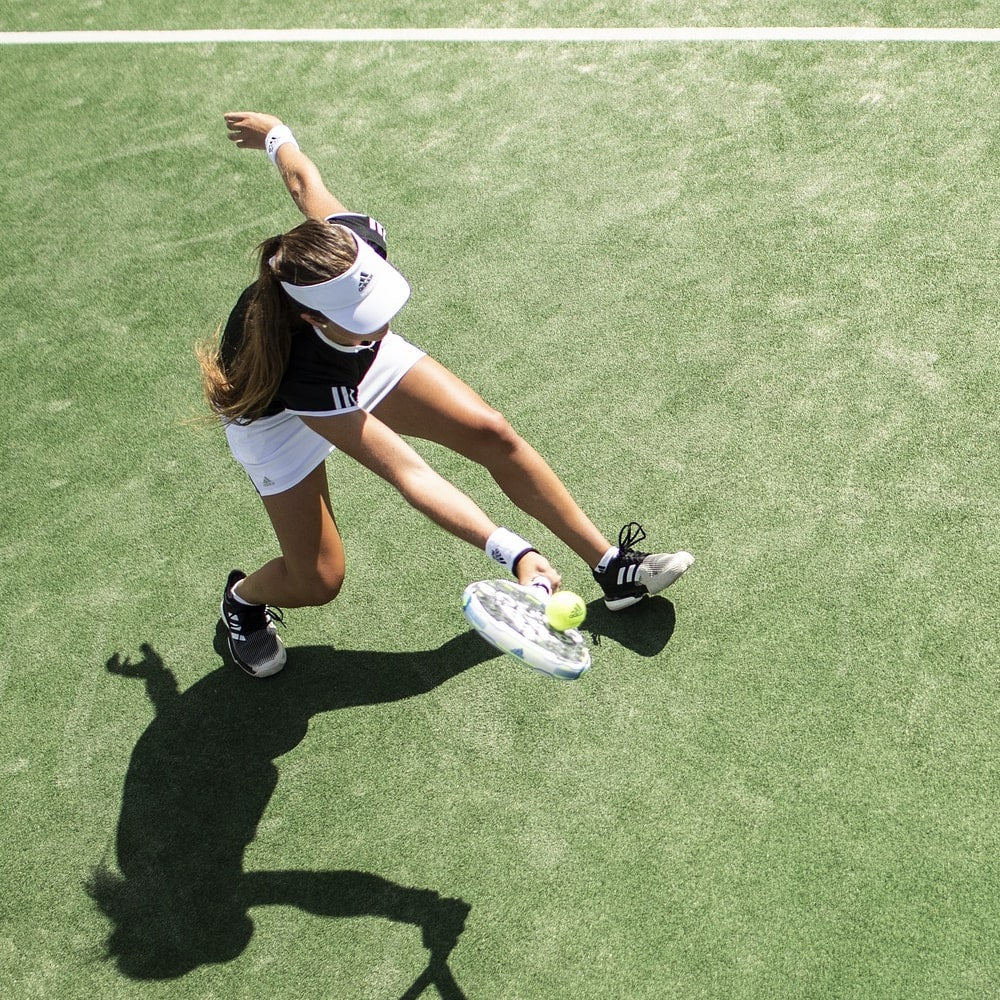
Effective Tools for Treating Elbow Pain: Foam Rollers and Elastic Bands
Dealing with elbow pain can be a significant hurdle for athletes and fitness enthusiasts, but with the right recovery tools, you can alleviate pain and expedite healing.
Utilizing foam rollers and trigger point tools, you can target specific areas of tension and inflammation, promoting muscle relaxation and improved blood flow. These tools often feature electric vibration technology, which enhances pain relief by combining pressure with soothing pulsations. Additionally, incorporating elastic bands into your routine helps in strengthening and stabilizing the muscles around the elbow, preventing future injuries.
By integrating these innovative recovery methods into your daily regimen, you ensure effective pain management and support your journey towards optimal athletic performance.
Foam Rollers & loop bands for elbow pain

BlackRoll Mini
€10,90
Compact and versatile relief
The BLACKROLL® MINI is a compact and versatile tool designed to target muscle tension and inflammation associated with tennis elbow.
This mini foam roller is perfect for athletes and avid exercisers looking to alleviate elbow pain.
Sit on a chair, place the BLACKROLL® MINI on a table, and place the back of your hand on the foam roller. Slowly roll your arm back and forward while gently rotating it side to side to target different muscle groups. Repeat this process for the underside of your arm. To intensify the exercise, apply a little pressure to your arm with your other hand.
Incorporating the BLACKROLL® MINI into your routine not only aids in pain management but also promotes muscle recovery and flexibility. This compact tool ensures you can effectively address tennis elbow anywhere, anytime.

BlackRoll Loop Band Set x 6
€69,90
Mobilization and Strengthening
Tennis and golfer's elbow can be a persistent issue for athletes and fitness enthusiasts, but the BLACKROLL® LOOP BAND offers an effective solution to aid in your recovery.
Designed to enhance muscle strength and flexibility, this band is ideal for targeted exercises.
Sit on a chair, place the band on the ground, and secure it with your foot. With an overhand grip for tennis elbow or an underhand grip for golfer's elbow, place your elbow on your knee and slowly pull the band up and down, focusing on your forearm muscles.
This simple yet powerful exercise helps alleviate pain and promotes muscle stabilization, making it an essential tool for anyone dealing with elbow pain.
⭐⭐⭐⭐⭐
Excellent guidance over the phone, where I got answers to the questions I had. Afterwards, I received my new Recovery Boots K8 Gen2, which I have already become very fond of - a definite recommendation from here!
⭐⭐⭐⭐⭐
Fast and accurate delivery, the follow-up is really good style. My son struggles with heavy legs, and they have really helped here. I myself use them after cycling for recovery and sore muscles. World-class.
⭐⭐⭐⭐⭐
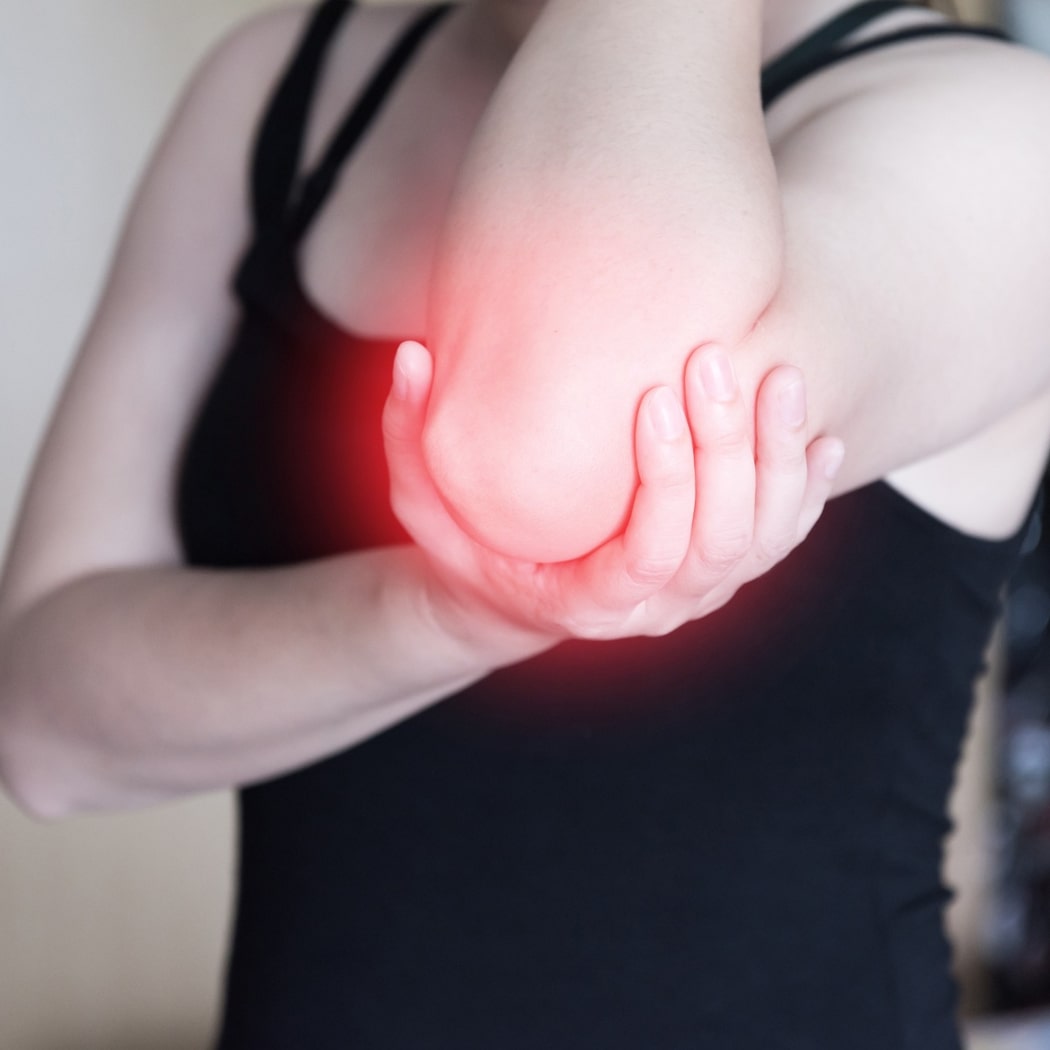
Understanding elbow pain in sport
Tennis Elbow
Tennis elbow, or lateral epicondylitis, causes pain and tenderness on the outer part of the elbow where forearm tendons attach to the lateral epicondyle. It’s often due to overuse, particularly from repetitive gripping and twisting motions. Despite its name, tennis elbow can affect anyone engaging in repetitive wrist and forearm activities. Poor technique, lack of proper warm-up, and direct trauma can also contribute to this condition.
Tennis Elbow: Symptoms & Diagnosis
Symptoms include pain and tenderness on the outer elbow, which may radiate down the forearm, and worsen with gripping or twisting motions. Weakness in the wrist and forearm is common. Diagnosis typically involves a physical exam and possibly imaging tests like X-rays or MRI to rule out other conditions.
Golfer’s Elbow
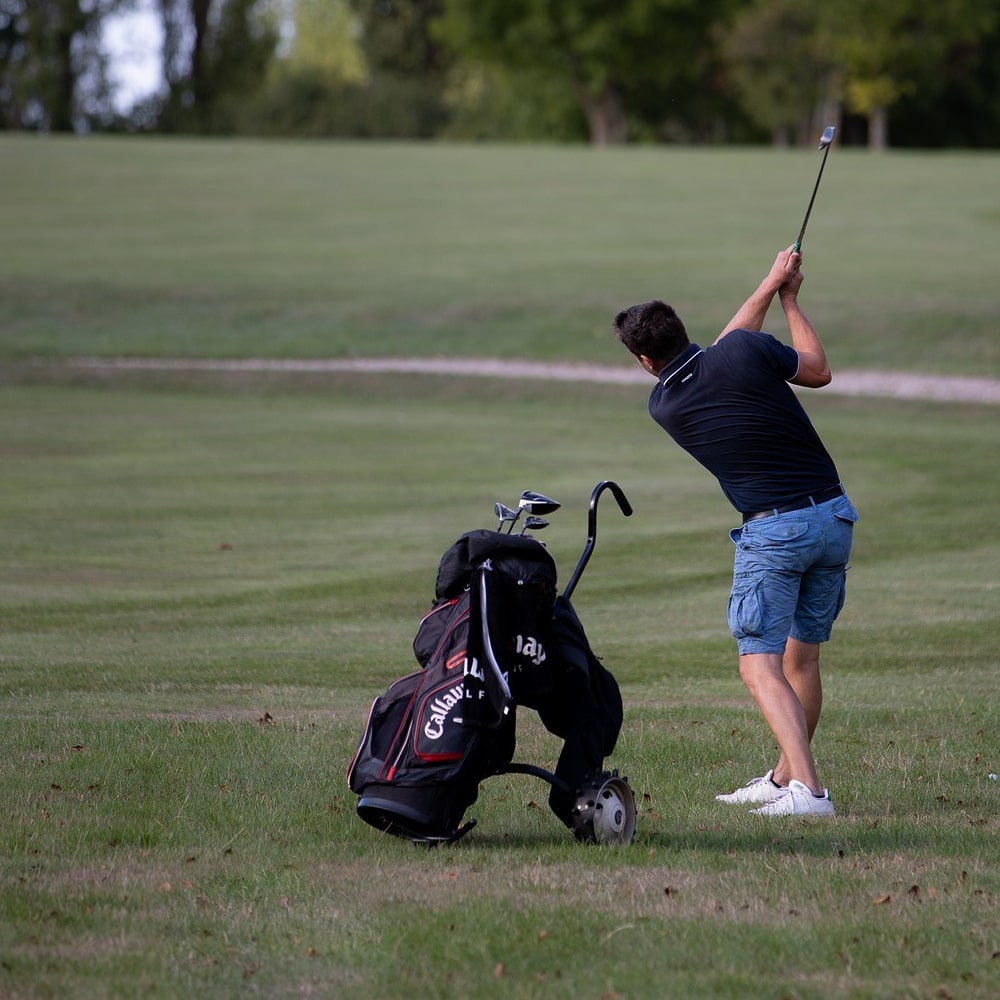
Golfer’s elbow, or medial epicondylitis, affects the inner part of the elbow where tendons attach to the medial epicondyle. Similar to tennis elbow, it’s caused by overuse, particularly with activities that involve repetitive wrist and finger flexing. This condition can also arise from improper technique and inadequate warm-up.
Golfer's Elbow: Symptoms & Diagnosis
Symptoms include pain and tenderness on the inner elbow, often spreading to the forearm. The pain intensifies with wrist and finger movements. Diagnosis is similar to tennis elbow, involving a physical exam and imaging tests to exclude other issues.
In summary, both tennis elbow and golfer’s elbow are caused by overuse of forearm muscles and tendons, leading to pain and tenderness. Proper diagnosis and treatment are essential for recovery and prevention of future injuries.
Great product
After just one week with my Recovery Boots from Optima Sport, they already have a noticeable effect. I've been using them daily, especially after runs, and my legs feel significantly less restless after running. I had good communication with Optima Sport before purchasing. Only recommendations from me :-)
Treatment and Rehabilitation
If you have been diagnosed with elbow pain, including conditions like tennis elbow or golfer's elbow, there are several treatment and rehabilitation options available to help you recover. In this section, we will discuss some of the most common treatment and rehabilitation options for elbow pain in sports.
Initial Rest and Ice Therapy
The first step in treating elbow pain is to rest the affected area and apply ice to reduce inflammation and pain. You should avoid any activities that aggravate the condition, such as gripping or lifting objects, until the pain subsides. Applying ice to the affected area for 15-20 minutes several times a day can help reduce inflammation and pain.
Physical Therapy and Exercises
Physical therapy and exercises can help strengthen the muscles in the forearm and wrist, which can help reduce the risk of future injuries. Your physical therapist may recommend exercises such as wrist curls, reverse wrist curls, and eccentric exercises to help improve strength and flexibility.
Medical Interventions
If rest, ice therapy, and physical therapy do not provide relief, your doctor may recommend medical interventions such as corticosteroid injections or surgery. Corticosteroid injections can help reduce inflammation and pain, while surgery may be necessary in severe cases when other treatments have failed.
Preventing Future Injuries
Preventing future episodes of elbow pain is as important as treating the current condition. One of the most effective preventive measures is ensuring proper technique in your activities. Whether you're playing tennis, lifting weights, or typing at a computer, using the correct form can reduce strain on your tendons.
Equipment adjustments can also make a significant difference. Using ergonomic tools, lightweight racquets, and proper grip sizes can help minimize stress on your elbow. If you're unsure about your equipment, consulting a coach or an expert can provide valuable insights.
Strength training is another crucial aspect of prevention. Focusing on exercises that strengthen the muscles of your forearm, wrist, and upper arm can provide better support for your elbow. Incorporating stretches and flexibility exercises can also keep your muscles and tendons in good health, reducing the risk of injury.
Advanced Recovery Techniques
For those who do not respond well to traditional methods, advanced recovery techniques offer promising results. One such technique is extracorporeal shock wave therapy (ESWT). This non-invasive procedure uses sound waves to promote healing in the affected tendons. Studies have shown ESWT to be effective in reducing pain and improving function in patients with chronic elbow pain.
Platelet-rich plasma (PRP) injections are another innovative treatment option. PRP therapy involves drawing a small amount of your blood, processing it to concentrate the platelets, and then injecting it into the affected area. The platelets release growth factors that stimulate healing in the damaged tendons. Research indicates that PRP injections can significantly reduce pain and improve grip strength in elbow pain patients.
While these advanced techniques offer hope, they should be considered after consulting with a healthcare professional. They may not be suitable for everyone, and understanding the potential risks and benefits is essential before proceeding.
Consistent follow-up and maintenance of elbow health are crucial after initial recovery. Continuing with strengthening exercises and ensuring proper technique in daily activities can help prevent recurrence of elbow pain. If symptoms persist or worsen, it is important to consult a healthcare professional for further evaluation and treatment.

I've always had sore muscles
As a triathlete, I've always had sore muscles the day after long training sessions, but that's over now. I use them almost daily and now have fresh legs even after my first half Ironman. I recommend this to anyone who wants good/fresh legs every day. They are easy to use and the service is great if you have questions - recommended for everyone.
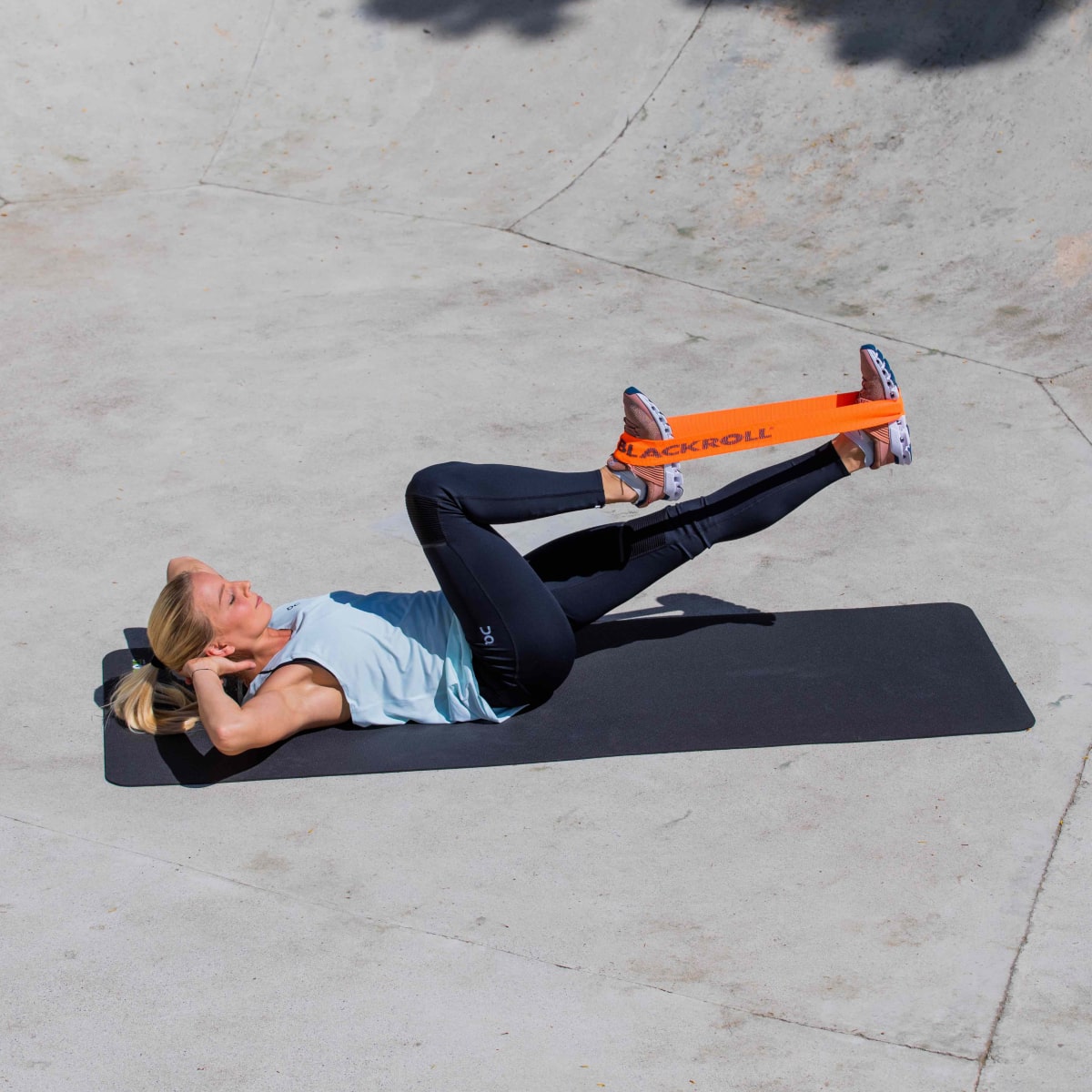
Preventing Elbow Pain: Essential Exercises for Athletes and Fitness Enthusiasts
Elbow pain, including conditions like tennis elbow (lateral epicondylitis) and golfer’s elbow (medial epicondylitis), is a common overuse injury that can be painful and debilitating. Fortunately, there are several exercises you can incorporate into your routine to help prevent elbow pain. These exercises focus on strengthening the muscles in your forearm and improving flexibility.
For Tennis Elbow
Eccentric Wrist Extension
- Sit with your forearm supported on the edge of a table, palm facing down.
- Hold a light dumbbell and lift your hand by bending your wrist upward.
- Slowly lower your hand back to the starting position.
- Repeat 10-15 times, 2-3 times a day.
Finger Extensions
- Use an elastic band around the fingertips of both hands.
- Stretch your fingers outward against the resistance of the band.
- Hold for a few seconds and slowly release.
- Repeat 10-15 times, 2-3 times a day.
Isometric Wrist Extension
- Sit with your forearm on the edge of a table, palm facing down.
- Press your hand down against the table without moving your wrist, holding for 5-10 seconds.
- Repeat 10-15 times, 2-3 times a day.
For Golfer’s Elbow
Wrist Flexor Stretch
- Extend your arm forward with your palm facing up.
- Use your other hand to gently bend your wrist downward until you feel a stretch in your forearm.
- Hold for 15-30 seconds and then switch hands.
- Repeat 2-3 times a day.
Forearm Pronation and Supination
- Hold a light dumbbell with your elbow bent at a 90-degree angle.
- Rotate your hand so your palm faces up (supination), and then down (pronation).
- Repeat 10-15 times, 2-3 times a day.
General Exercises
Wrist Flexor Stretch
- Extend your arm forward with your palm facing up.
- Use your other hand to gently bend your wrist downward until you feel a stretch in your forearm.
- Hold for 15-30 seconds and then switch hands.
- Repeat 2-3 times a day.
Forearm Pronation and Supination
- Hold a light dumbbell with your elbow bent at a 90-degree angle.
- Rotate your hand so your palm faces up (supination), and then down (pronation).
- Repeat 10-15 times, 2-3 times a day.
Incorporating these exercises into your routine can help strengthen your muscles and prevent the overuse that leads to elbow pain. Always remember to warm up before exercises and stop if you feel any pain.
If you are already experiencing symptoms of elbow pain, it’s a good idea to consult a physical therapist for a personalized assessment and treatment plan.
By following these exercises regularly, you can maintain your fitness goals and keep your forearms strong and resilient, minimizing the risk of developing elbow pain.
FAQ for elbow pain in sport
Welcome to our Elbow Pain in sport FAQ section! Discover answers to common questions about your elbow injury, including symptoms, treatments, prevention tips, and more. Whether you’re an athlete or a fitness enthusiast, we’re here to provide you with valuable insights to help you understand and manage your elbow pain effectively.
Elbow pain in sports is often caused by repetitive motions and overuse of the forearm muscles and tendons. Common activities include throwing, gripping, and swinging.
You can prevent elbow pain by using proper techniques, warming up before activities, strengthening your forearm muscles, and avoiding repetitive motions when possible.
Physical therapy exercises can be very helpful in the recovery from tennis elbow surgery. Some effective exercises include wrist extensions, wrist curls, and grip strengthening exercises. It is important to work with a physical therapist to develop a personalized exercise plan that is tailored to your specific needs.
With proper treatment, most people with tennis elbow can expect to see significant improvement within 6-12 weeks. However, the duration of healing can vary depending on the severity of the injury and the effectiveness of the treatment.
Nonsteroidal anti-inflammatory drugs (NSAIDs) such as ibuprofen or naproxen can help reduce pain and inflammation associated with tennis elbow. Other treatments such as corticosteroid injections or platelet-rich plasma (PRP) therapy may also be effective in reducing pain and promoting healing.
There are several ways to expedite the healing process of tennis elbow, including rest, ice, compression, and elevation. Physical therapy exercises and treatments such as ultrasound therapy or dry needling may also help speed up the healing process.
Yes, it is possible to achieve a full recovery from tennis elbow with proper treatment and rehabilitation. This may include a combination of rest, physical therapy exercises, and other treatments such as corticosteroid injections or PRP therapy. It is important to work closely with your healthcare provider to develop a personalized treatment plan that is tailored to your specific needs.
Write content to help your customers to better understand your products or policies.
Write content to help your customers to better understand your products or policies.
Yes, golfer’s elbow can affect anyone who performs repetitive wrist and forearm motions, such as tennis players, baseball players, and people who frequently lift weights.
Treatment options include rest, ice application, anti-inflammatory medications, physical therapy, and the use of compression bands or braces. In severe cases, surgery may be necessary.
Compression sleeves can be very effective for reducing swelling, improving blood flow, and providing support to the elbow joint, which helps in pain relief and recovery.
FAQ for Shipping and delivery
Welcome to our Shipping and Delivery FAQ section! Here you'll find answers to frequently asked questions regarding shipping times, delivery methods, tracking, and more. We aim to provide clarity and transparency about our shipping process to ensure a smooth and satisfactory experience for our valued customers.
We offer free shipping for purchases over € 99 to a GLS parcel shop.
Purchases under € 99 incur a shipping fee of € 12.
We mainly ship with GLS but also with Bring, and local carriers.
We ship within 1-3 business days. The package is often delivered between 2-3 days.

Contact Us via Email
customerservice@optimasport.com
Feel free to email us with any questions. We typically respond within 2 days. Your inquiries are always welcome!