

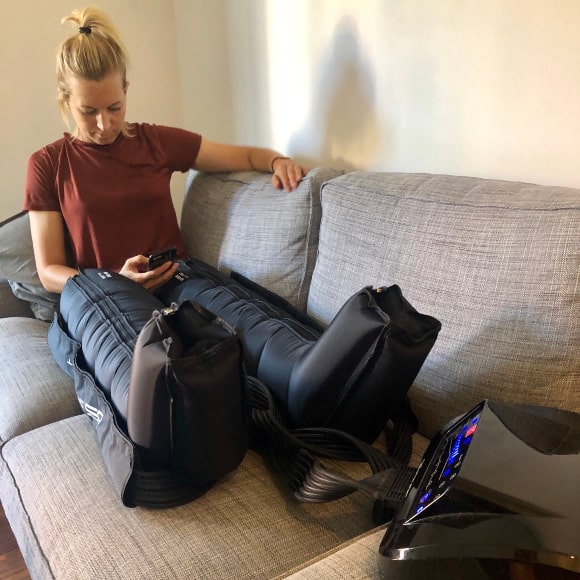





Really good product, and easy to use. Works perfectly and is fantastic after a long day of work or a run ☺️
Hulp nodig?
Sluiten
Contacteer ons op:
klantenservice@optimasport.com
Als je vragen hebt of advies nodig hebt, ben je natuurlijk welkom om contact met ons op te nemen of onze veelgestelde vragen (FAQ) lezen:

Mail
Normaal gesproken ontvang je op werkdagen binnen 24 uur een reactie. Schrijf je bestelnummer in de e-mail.
Shoulder Injury Prevention and Recovery in sports
Shoulder injuries are among the most common ailments athletes face. From swimmers to weightlifters, the shoulder's intricate structure and extensive range of motion make it susceptible to various forms of injury. Maintaining shoulder health is crucial for performance and longevity in sports. This guide aims to provide a comprehensive overview of shoulder injuries, including their prevention, treatment, and recovery.
Great product
After just one week with my Recovery Boots from Optima Sport, they already have a noticeable effect. I've been using them daily, especially after runs, and my legs feel significantly less restless after running. I had good communication with Optima Sport before purchasing. Only recommendations from me :-)
Top Recovery Tools for Shoulder Injuries
When shoulder injuries challenge your athletic pursuits, finding effective recovery tools isn’t just helpful; it’s essential.
For athletes and dedicated exercisers, managing shoulder pain effectively is crucial to maintaining both performance and quality of life.
We’ve curated a selection of recovery tools tailored to your needs, each offering a unique approach to relief and recovery.
Utilizing cutting-edge technology, these tools target the root of shoulder pain, promoting faster and more effective healing. Whether it’s through compression therapy, pain relief devices, muscle stimulation, or deep tissue massage, these products are your partners in the journey to optimal shoulder health.
By incorporating them into your recovery routine, you take a proactive step towards not just alleviating pain, but enhancing your body’s strength and resilience. Stay ahead of shoulder injuries and continue striving for your fitness goals with confidence.
Shoulder pain: Finding Relief with Electrical Massage Tools

Optima-Go mini-massagepistool
€129,95
Compact power for quick relief
The Mini Massage Gun offers an effective solution for targeted pain relief, making it ideal for athletes and avid exercisers dealing with persistent shoulder injuries.
This compact device delivers powerful, deep-tissue massage to alleviate shoulder tension and promote faster recovery.
To use, simply turn on the massage gun, select your desired intensity, and gently apply it to the affected areas of your shoulder. Move the device slowly along the muscles, allowing the vibrations to penetrate deeply and relieve discomfort. This helps enhance blood flow, reduce muscle soreness, and improve overall mobility.
The Mini Massage Gun’s lightweight design and portability make it perfect for on-the-go use, ensuring you have relief whenever and wherever you need it. With its ergonomic handle and multiple intensity settings, this tool is easy to use and highly effective in managing shoulder pain, making it an essential addition to your recovery regimen.

PowerDot 2.0 Duo
€375,00
Innovative Shoulder Pain solution
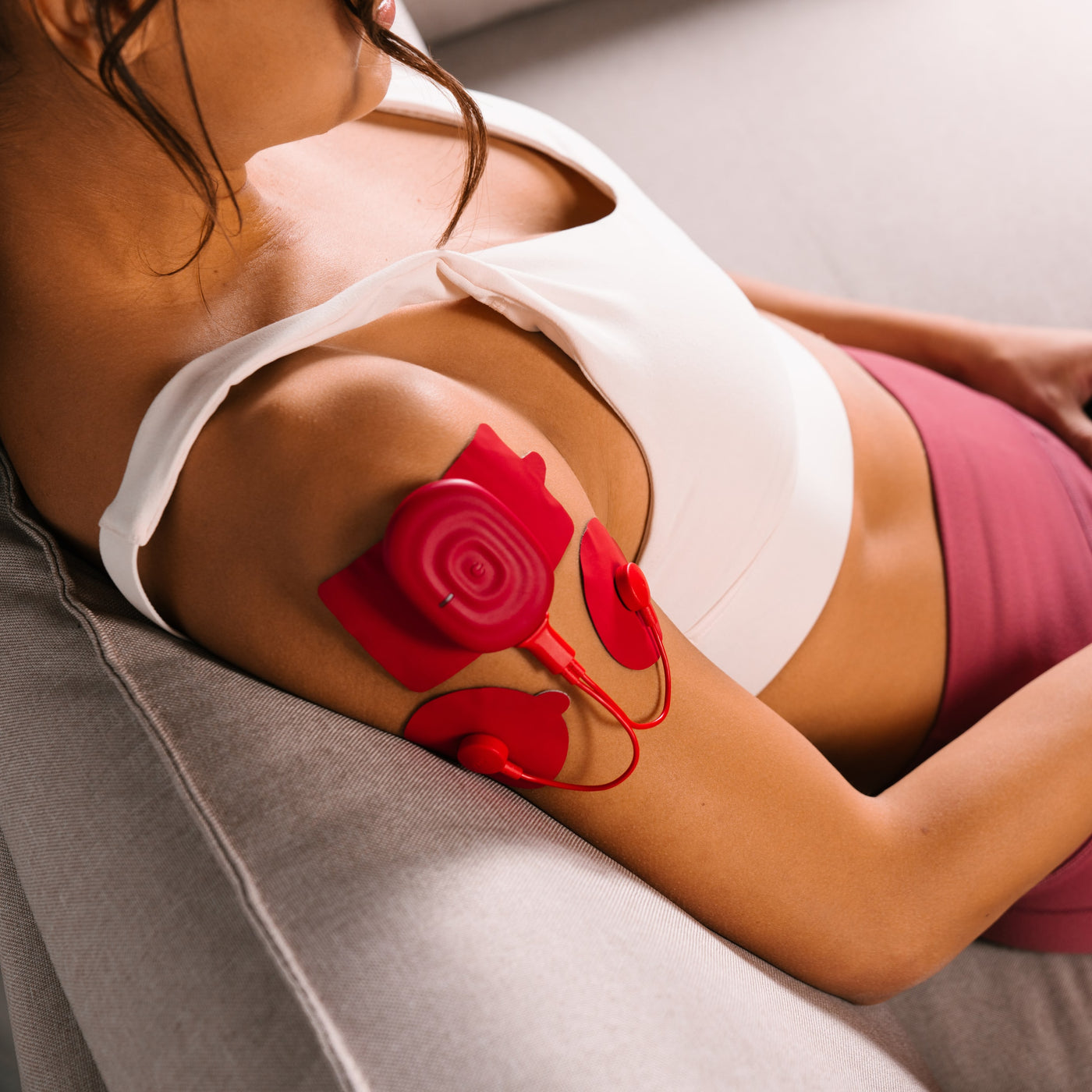
Shoulder injuries can hinder your athletic performance, but the PowerDot 2.0 Duo provides an effective solution for targeted pain relief.
This innovative muscle stimulator helps reduce pain and promote recovery through electrical muscle stimulation (EMS).
To use, simply attach the PowerDot pads to the affected areas of your shoulder, connect to the PowerDot app, and select your desired program. The app guides you through tailored EMS sessions, enhancing muscle recovery and alleviating discomfort. This video shows how to apply PowerDots on your shoulders.
The PowerDot 2.0 Duo’s compact and user-friendly design makes it perfect for on-the-go use, ensuring you have relief whenever needed. By incorporating this tool into your recovery regimen, you can effectively manage shoulder pain and support your fitness goals with confidence.
Uitverkocht
Instant pain relief anywhere
Suffering from shoulder pain? Paingone Plus provides effective, drug-free relief using electrical impulses to reduce pain quickly and easily.
This compact, handheld device delivers TENS (Transcutaneous Electrical Nerve Stimulation) therapy to alleviate shoulder pain and promote faster recovery.
To use, simply place the Paingone Plus on the affected area of your shoulder and press the button to deliver a controlled electrical pulse. Move the device around the shoulder, allowing the gentle stimulation to penetrate deeply and ease discomfort.
The Paingone Plus’s portability and ease of use make it an essential tool for athletes and avid exercisers, providing relief whenever and wherever it’s needed. By integrating this device into your recovery routine, you can effectively manage shoulder pain and continue to pursue your fitness goals with confidence.
Uitverkocht

Arm slangen zijn inbegrepen - 8 kamers
€169,95
Dynamic compression relief
The Optima Sport Recovery Arm provides an effective solution for pain relief and muscle recovery for shoulder injuries in athletes and exercisers.
This compression arm is an accessory for our Recovery Boots (complete set), and it requires a Recovery Machine for use.
Simply connect the arm to the machine, select your preferred compression level and program, and let the therapy begin.
The targeted compression therapy boosts blood circulation, removes toxins, and accelerates muscle recovery.
With its ergonomic design and adjustable settings, the Optima Sport Recovery Arm is perfect for anyone looking to effectively rehabilitate shoulder injuries. Offering targeted relief and promoting healing, this recovery arm is an essential addition to your recovery toolkit.
Performance
The athletes who use Optima Sport
Many athletes use Optima Sport's products to achieve faster recovery and to recover quickly from injuries.
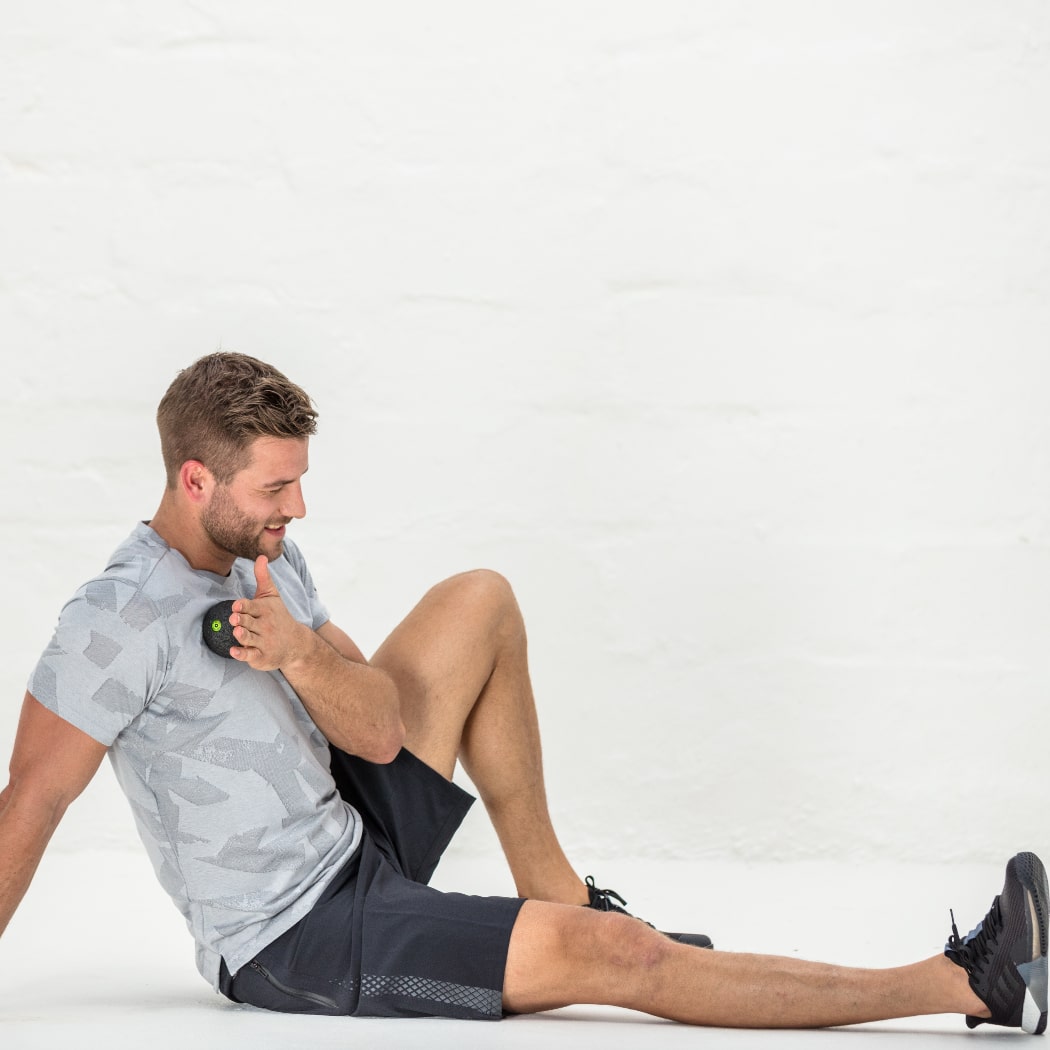
Top Trigger Point Tools & Elastic Bands for Shoulder Injury Relief
Facing shoulder injuries is a common hurdle for athletes and avid exercisers, but utilizing the right recovery tools can significantly aid in your rehabilitation journey.
We’ve selected an array of trigger point tools and elastic bands designed to alleviate pain and enhance muscle recovery.
These tools, including foam rollers and advanced devices with electric vibration technology, offer targeted relief by combining pressure and pulsation to deeply penetrate and relax shoulder muscles.
Elastic bands provide effective resistance training, essential for strengthening and stabilizing the shoulder. Incorporating these tools into your recovery routine not only helps manage current pain but also serves as a preventive measure against future injuries.
By equipping yourself with these innovative solutions, you can ensure that shoulder injuries don’t hinder your fitness progress and performance. Get inspired by these shoulder exercises.
Must-Have Recovery Tools for Shoulder Pain Relief

BlackRoll Mini
€10,90
Compact and effective relief
The Blackroll Mini offers an effective solution for targeted muscle relief and recovery, making shoulder injuries less of a hindrance for athletes and avid exercisers.
This compact foam roller is ideal for addressing shoulder pain and muscle tension.
To use, lean your shoulder against the Blackroll Mini on a wall and gently roll back and forth, applying pressure to release knots and improve flexibility. Its small size allows for precise targeting of sore muscles, promoting faster recovery.
The Blackroll Mini’s portability and ease of use make it a valuable tool for anyone dealing with shoulder injuries. With its ability to relieve muscle tension and enhance recovery, this foam roller is a must-have for your fitness routine.
Uitverkocht
Ultimate muscle relief tool
The Optima Sport foam roller offers an effective solution for muscle relief and recovery, helping athletes and avid exercisers overcome significant shoulder injuries.
This foam roller is essential for athletes looking to recover from a shoulder injury. Unlike a massage ball, this roller offers a larger, firmer surface, allowing for broader coverage and controlled intensity.
The foam roller is perfect for relieving pain along your shins and increasing blood flow to the affected areas. You can explore our extensive range of foam rollers here.
To use the foam roller, place it on the ground and lie on your side, positioning your shoulder over the roller. Gently roll back and forth, applying pressure to release muscle knots and improve flexibility. Its firm texture allows for deep muscle penetration, promoting faster recovery and reduced pain.
Uitverkocht
Deep tissue therapy
Shoulder injuries can significantly impact your sports performance, but the massage ball offers an effective solution for targeted muscle relief and recovery.
This compact and firm massage ball is perfect for treating deep muscle knots and tension in the shoulder area. Simply place the Optima Sport Massage Ball 08 between your shoulder and a wall, and slowly roll back and forth, applying pressure to release muscle knots and increase flexibility. Its small size makes it easy to target specific sore spots, promoting faster recovery.
The massage ball’s durable design and ability to penetrate deeply into muscles make it ideal for athletes and active individuals dealing with shoulder injuries.
By choosing a massage ball over a foam roller, you can more effectively target specific areas with muscle knots. If you’re looking for a different option, check out our wide selection of massage balls here.

Theragun 12 Wave Roller
€170,00
Deep tissue vibration therapy
The Theragun 12” Wave Roller offers an effective solution for pain relief and muscle recovery, helping athletes and avid exercisers overcome major shoulder injuries.
This advanced foam roller combines traditional rolling with vibration therapy to target deep muscle tissue in the shoulder area.
To use, turn on the Wave Roller, select your desired vibration intensity, and slowly roll it over the affected area. The combination of pressure and vibrations helps to release muscle knots, reduce tension, and promote faster recovery.
The Theragun 12” Wave Roller’s innovative design and customizable settings make it an essential tool for anyone dealing with shoulder injuries. With its ability to provide deep muscle relief and enhance recovery, this foam roller is a valuable addition to your fitness regimen.
⭐⭐⭐⭐⭐
Excellent guidance over the phone, where I got answers to the questions I had. Afterwards, I received my new Recovery Boots K8 Gen2, which I have already become very fond of - a definite recommendation from here!
⭐⭐⭐⭐⭐
Fast and accurate delivery, the follow-up is really good style. My son struggles with heavy legs, and they have really helped here. I myself use them after cycling for recovery and sore muscles. World-class.
⭐⭐⭐⭐⭐
Shoulder Anatomy
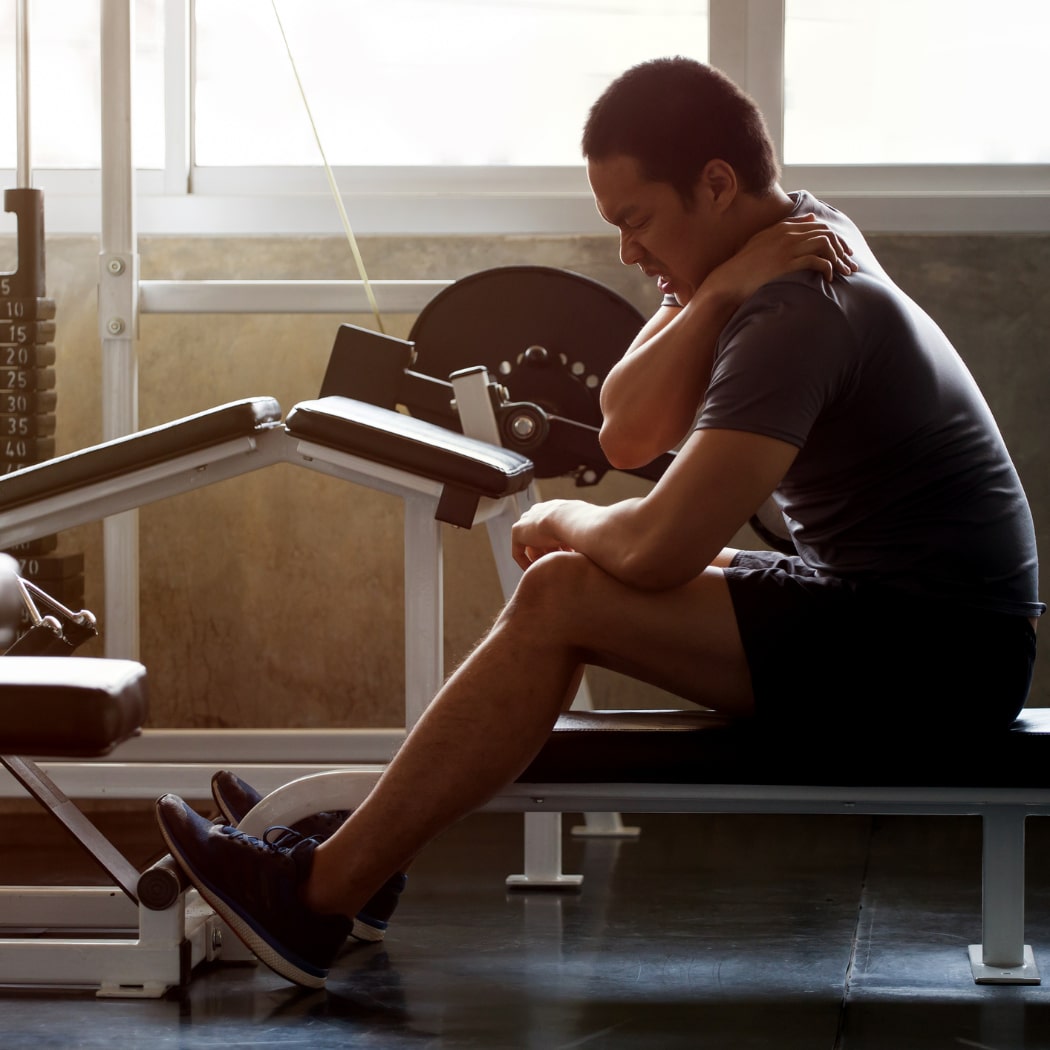
The shoulder is a highly complex and mobile joint, comprising three main bones: the clavicle (collarbone), scapula (shoulder blade), and humerus (upper arm bone). These bones form key joints, such as the glenohumeral joint, which is a ball-and-socket joint, the acromioclavicular joint, where the clavicle meets the scapula, and the sternoclavicular joint, where the clavicle meets the sternum. The shoulder’s stability and movement are facilitated by several muscles and tendons, most notably the rotator cuff, a group of muscles and tendons that keep the humeral head in the glenoid cavity, the deltoid muscle, which is responsible for lifting the arm, and the biceps, which assist in shoulder movements and stability.
Common Shoulder Injuries in Sports
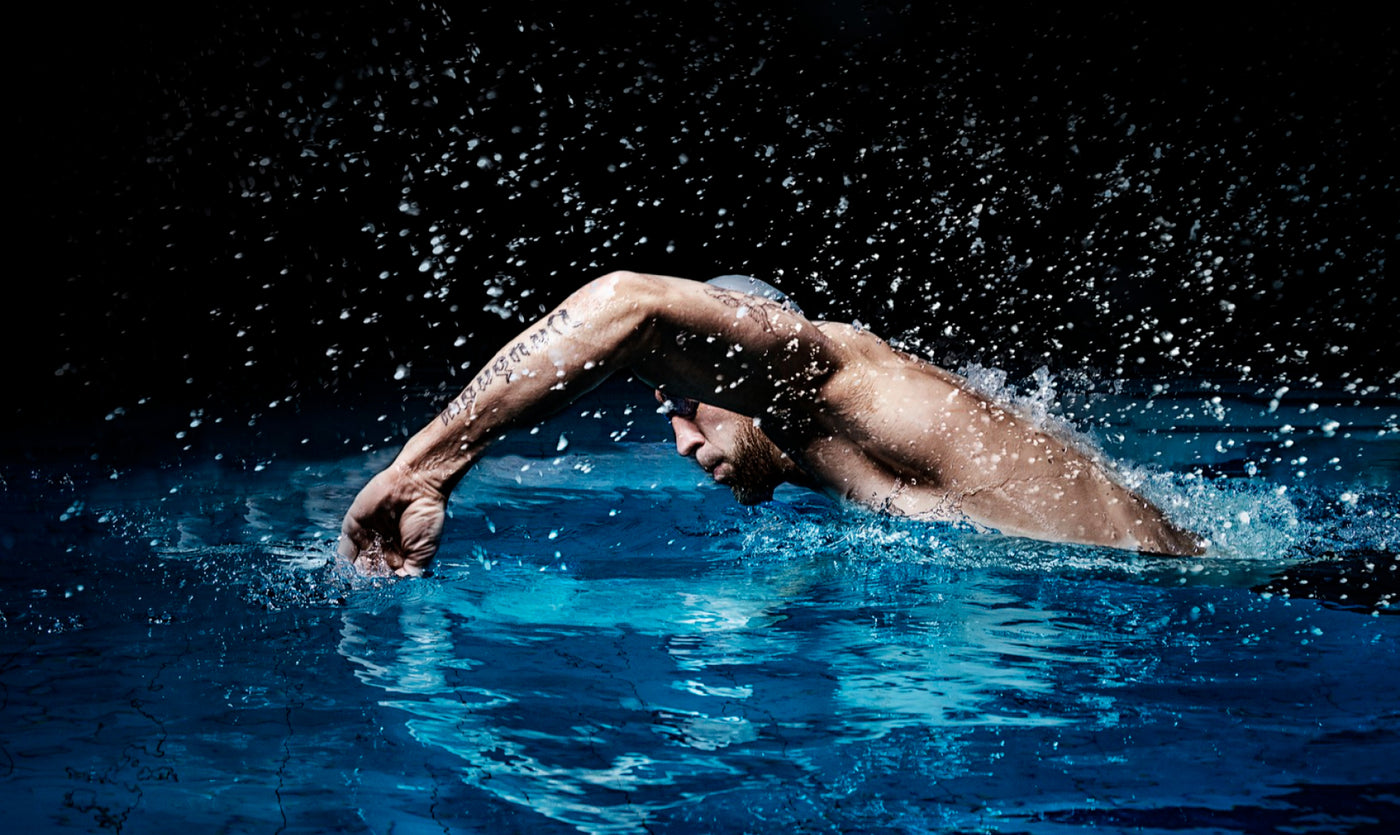
Shoulder injuries are prevalent in sports due to the joint’s extensive range of motion and its involvement in many athletic activities. Rotator cuff tears are among the most common injuries, often resulting from repetitive overhead activities like swimming and tennis, causing pain and weakness in the shoulder. Shoulder dislocations, typically anterior, occur when the upper arm bone pops out of the shoulder socket, necessitating immediate medical attention and rehabilitation. Labral tears, including SLAP tears and Bankart lesions, often occur in contact sports or from repetitive shoulder motions, leading to shoulder instability and pain. Shoulder impingement syndrome, caused by the compression of shoulder tendons during overhead activities, results in pain and limited motion. Lastly, frozen shoulder, or adhesive capsulitis, is characterized by stiffness and pain, often requiring extensive physical therapy for recovery.
I've always had sore muscles
As a triathlete, I've always had sore muscles the day after long training sessions, but that's over now. I use them almost daily and now have fresh legs even after my first half Ironman. I recommend this to anyone who wants good/fresh legs every day. They are easy to use and the service is great if you have questions - recommended for everyone.
Causes and Risk Factors of Shoulder Injuries
Overuse and Repetitive Motions
Engaging in sports that involve repetitive actions, such as swimming, tennis, and baseball, can lead to overuse injuries. These activities place continuous stress on the shoulder, causing wear and tear over time. Repetitive overhead motions, in particular, are a common cause of shoulder injuries among athletes.
Acute Trauma and Impact
Shoulder injuries can also result from acute trauma, such as falls or direct collisions. Contact sports like football and rugby pose a higher risk due to frequent impacts. These sudden forces can lead to dislocations, fractures, or muscle tears.
Poor Technique and Form
Incorrect movements and poor technique significantly increase the risk of shoulder injuries. Athletes who do not use proper form while training or competing place undue stress on their shoulders. This improper technique can lead to muscle strain, ligament sprains, and other injuries.
Muscle Imbalances and Weakness
Muscle imbalances and weakness in the shoulder region can cause compensatory movements, leading to strain and injury. Athletes who focus on certain muscle groups while neglecting others may develop imbalances that make their shoulders more susceptible to injuries.
Age and Degenerative Changes
As athletes age, they become more prone to shoulder injuries due to degenerative changes in the shoulder joint. Wear and tear from years of activity can lead to conditions like arthritis, making the shoulder more vulnerable to injury. Older athletes must take extra precautions to maintain shoulder health.
Prevention Strategies for Shoulder Injuries
Warm-Up and Stretching Routines
A proper warm-up and stretching routine is crucial for preparing the shoulder muscles for physical activity. This helps increase blood flow, flexibility, and range of motion, reducing the risk of injury.
Strengthening Exercises
Incorporate exercises that target the rotator cuff, core, and overall upper body strength. Building a strong and balanced musculature around the shoulder can provide better support and stability, minimizing the risk of injuries.
Proper Technique and Form
Practicing correct, sport-specific techniques is essential to avoid unnecessary strain on the shoulders. Athletes should receive training and feedback to ensure they are using the right form during their activities.
Importance of Rest and Recovery
Adequate rest and recovery are vital components of any training program. Incorporate rest days into the schedule to allow the shoulder muscles to heal and prevent overuse injuries.
Use of Protective Gear and Equipment
Using appropriate protective gear and equipment can help minimize impact and strain on the shoulders. This includes wearing proper padding in contact sports and using supportive braces when necessary.
Diagnosing Shoulder Injuries
Initial Assessment and History Taking
A comprehensive initial assessment and history taking are the first steps in diagnosing shoulder injuries. Gathering detailed information about the onset and nature of the pain helps in identifying the possible causes and appropriate treatments.
Physical Examination Techniques
- Range of Motion Tests: These tests assess the shoulder's mobility and identify any limitations.
- Strength and Stability Tests: Evaluating the strength and stability of the shoulder helps in determining the extent of the injury and guiding treatment plans.
Imaging and Diagnostic Tools
- X-Rays: Used to identify bone fractures or dislocations.
- MRI: Provides detailed images of soft tissues, helping to diagnose muscle tears, ligament sprains, and other injuries.
- Ultrasound: Useful for assessing injuries to muscles and tendons, offering a real-time view of shoulder dynamics.
Non-Surgical Treatment Options
Rest and Activity Modification
Reducing or modifying activities that exacerbate the injury is crucial for healing. Athletes may need to limit certain movements or take a break from their sport to allow the shoulder to recover.
Physical Therapy
- Exercises and Techniques: Physical therapists design exercises and techniques tailored to the specific injury, promoting healing and strengthening the shoulder.
- Modalities Used in PT: Treatments like ultrasound, electrotherapy, and heat/cold therapy are often used to reduce pain and inflammation.
Medications for Pain Relief
- NSAIDs: Nonsteroidal anti-inflammatory drugs help manage pain and reduce inflammation.
- Corticosteroid Injections: These are used for severe inflammation and provide relief by reducing swelling and pain.
Alternative Therapies
- Acupuncture: This can help with pain management and promote healing through the stimulation of specific points on the body.
- Massage Therapy: Effective for relieving muscle tension, improving circulation, and reducing pain.
Surgical Treatment Options
Indications for Surgery
Surgery is considered when conservative treatments fail or the injury is severe, such as with complete tears or dislocations.
Types of Surgical Procedures
- Arthroscopy: A minimally invasive procedure used to diagnose and treat joint issues. It involves small incisions and the use of a camera to guide the surgery.
- Open Surgery: Required for more severe cases that need direct access to the shoulder joint for repair.
Post-Surgical Rehabilitation
- Phases of Recovery: The recovery process is gradual, involving stages that progress from initial healing to strengthening and regaining full function.
- Importance of Follow-up Care: Regular check-ups are necessary to monitor progress and ensure proper healing.
Recovery and Rehabilitation
Stages of Shoulder Injury Recovery
Recovery from shoulder injuries involves several stages, from acute care and inflammation control to strengthening and functional training. Each stage is critical for a full recovery.
Creating a Rehabilitation Plan
A customized rehabilitation plan is essential, tailored to the specific injury and the athlete’s needs. This plan should be designed in consultation with healthcare professionals.
Role of Physical Therapists and Athletic Trainers
Physical therapists and athletic trainers provide expert guidance and support, helping athletes perform the right exercises and progress through their recovery stages safely.
Tips for a Successful Recovery
Consistency with rehabilitation exercises, maintaining a positive mindset, and following professional advice are key to a successful recovery. Athletes should stay motivated and patient throughout the process.
Returning to Sports After a Shoulder Injury
Assessing Readiness to Return
Evaluating strength, stability, and pain levels is crucial to ensure full recovery before returning to sports. Athletes should undergo thorough assessments to confirm their readiness.
Gradual Return-to-Play Protocols
A gradual return-to-play protocol helps athletes ease back into their sport. Starting with lower intensity and progressively increasing activity levels reduces the risk of re-injury.
Monitoring for Recurrence of Symptoms
Athletes should stay vigilant for any signs of re-injury, such as pain or instability, and seek immediate medical attention if symptoms recur.
Psychological Aspects of Returning to Play
Addressing fears and building confidence through gradual exposure and positive reinforcement is important for athletes returning to sports. Psychological support can help them overcome anxiety and regain their competitive edge.
FAQ for shoulder pain in sport
Learn about common shoulder injuries among athletes, treatment methods, rehabilitation exercises, and when to seek medical help.
Sports like swimming, tennis, baseball, and weightlifting often lead to shoulder injuries due to repetitive overhead motions.
Recovery time varies depending on the severity of the injury, ranging from a few weeks for minor strains to several months for major tears.
While not all injuries can be prevented, following preventive strategies can significantly reduce the risk.
Severe pain, swelling, inability to move the shoulder, and visible deformity are signs to seek medical help.
Yes, untreated injuries can lead to chronic pain, reduced mobility, and long-term joint issues.
Use pain relief methods like topical analgesics and compression gear, and modify activities to prevent further strain.
Regular strengthening exercises, proper technique, and adequate rest are essential for maintaining shoulder health
A balanced diet rich in anti-inflammatory foods and supplements can support recovery.
Surgery is necessary when conservative treatments fail or the injury is severe, such as complete tears or dislocations.
Exercises like rotator cuff strengthening, shoulder presses, and resistance band workouts are effective for building shoulder strength.
FAQ for Shipping and delivery
Welcome to our Shipping and Delivery FAQ section! Here you'll find answers to frequently asked questions regarding shipping times, delivery methods, tracking, and more. We aim to provide clarity and transparency about our shipping process to ensure a smooth and satisfactory experience for our valued customers.
We offer free shipping for purchases over € 99 to a GLS parcel shop.
Purchases under € 99 incur a shipping fee of € 12.
We mainly ship with GLS but also with Bring, and local carriers.
We ship within 1-3 business days. The package is often delivered between 2-3 days.

Contact Us via Email
customerservice@optimasport.com
Feel free to email us with any questions. We typically respond within 2 days. Your inquiries are always welcome!