

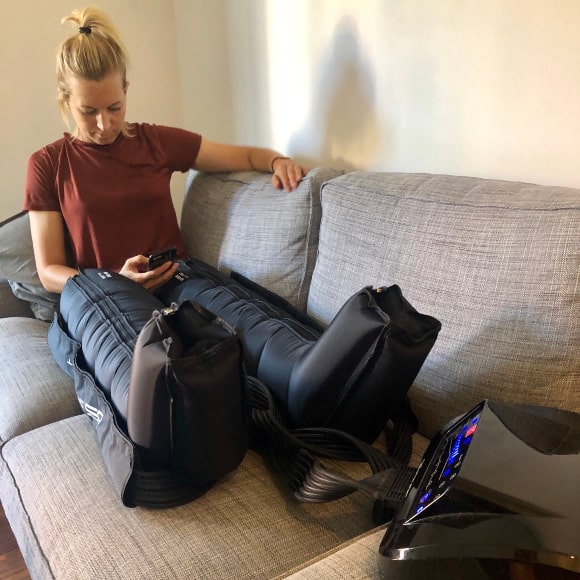




Really good product, and easy to use. Works perfectly and is fantastic after a long day of work or a run ☺️
Need help?
Close
Contact us at:
customerservice@optimasport.com
If you have any questions or need advice, you are of course welcome to contact us or read our frequently asked questions (FAQ):

Mail
You will normally receive a response within 24 hours on weekdays. Please write your order number in the email.
Thigh Injuries in Sports: Prevention, Treatment, and Recovery
Thigh injuries are a prevalent concern in the world of sports, affecting athletes across various disciplines. Understanding these injuries is crucial for athletes. Thigh injuries can range from minor strains to severe muscle tears and bone fractures, each requiring different approaches for treatment and recovery. By exploring the types, causes, symptoms, and treatments of thigh injuries, we can better equip ourselves to manage and prevent these common sports-related issues.
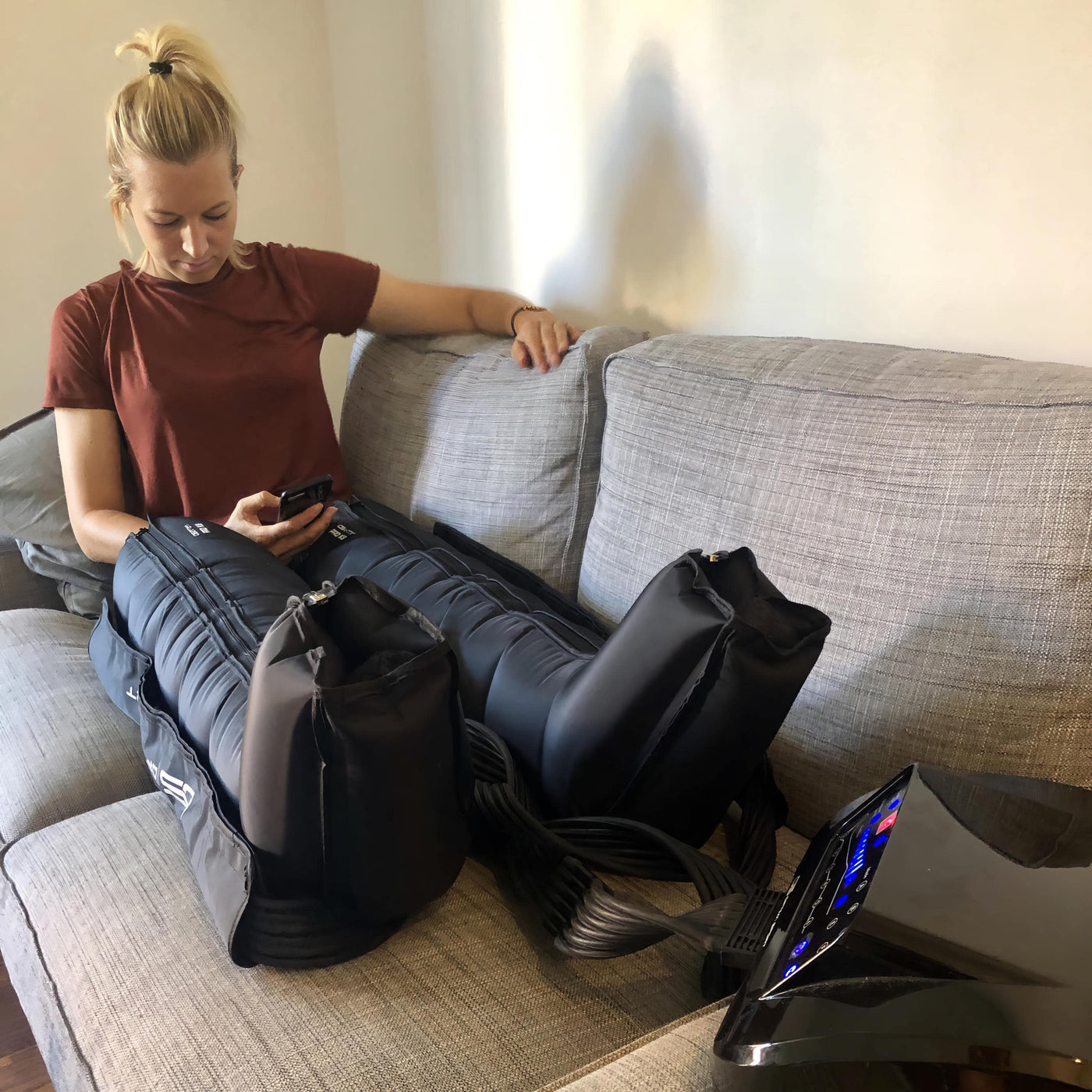
Enhance Your Thigh Recovery with Innovative Solutions
When a thigh injury slows down your athletic activities, finding the right recovery tools is essential. Effectively managing and treating a thigh injury is key to maintaining your performance and overall well-being. We’ve selected a range of advanced tools specifically designed to meet the needs of athletes and dedicated exercisers.
Optima Sport Recovery Boots, with 8 or 12 chambers, deliver dynamic compression therapy to improve blood circulation and reduce muscle soreness.
Power Dots use electrical muscle stimulation to accelerate recovery and enhance muscle performance.
For deep tissue relief, the Optima Sport massage gun provides powerful percussive therapy to alleviate muscle tension and speed up healing.
By incorporating these tools into your training routine, you can both prevent thigh injuries and treat them effectively if they occur. These tools support your recovery, helping you come back stronger and faster.
Thigh pain: Finding Relief with Electrical Massage Tools

Optima-Go mini massage gun
€129,95
Smart muscle stimulation relief
Thigh injuries can be a major setback for athletes and avid exercisers, but the Mini Massage Gun offers an effective solution for targeted pain relief and muscle recovery.
This compact device delivers powerful, deep-tissue massage to alleviate tension and promote healing in the thigh muscles.
To use, simply turn on the massage gun, select your desired intensity, and gently apply it to the affected area of your thigh. Move the device slowly along the muscles, allowing the vibrations to penetrate deeply and relieve discomfort.
The Mini Massage Gun’s lightweight design and portability make it perfect for on-the-go use, ensuring you have relief whenever and wherever you need it. With its ergonomic handle and multiple intensity settings, this tool is easy to use and highly effective in managing thigh injuries, helping you stay active and perform at your best.

PowerDot 2.0 Duo
€375,00
Targeted muscle recovery
Thigh injuries can hinder your athletic performance, but the PowerDot 2.0 Duo offers a practical solution for targeted muscle recovery.
This advanced muscle stimulator uses electrical stimulation to enhance blood flow and reduce muscle tension, helping you recover faster and get back to your training routine.
To use the PowerDot 2.0 Duo for thigh injuries, attach the electrodes to the affected area following the provided guide. Use the app to select a suitable program for muscle recovery and adjust the intensity as needed. This targeted approach helps alleviate pain and promote healing. Please see this video for more instructions.
With its easy-to-use app and portable design, the PowerDot 2.0 Duo ensures you have effective muscle recovery support whenever you need it. This device is ideal for athletes looking to optimize their recovery and maintain peak performance.

Recovery Boots 8 chambers Battery Gen2
€799,00
Targeted 8-chamber compression
Thigh injuries can significantly impede your athletic performance, but the Optima Sport Recovery Boots K8 Battery Gen2 provide an effective solution for accelerating recovery.
These advanced recovery pants use dynamic compression to improve blood circulation, reduce muscle pain, and accelerate healing in your thighs.
To use the boots, simply put them on, set the desired pressure level, and let the boots run through the programmed recovery session. This targeted approach effectively helps relieve calf injuries.
The Recovery Boots K8 Battery Gen2 are designed with maximum convenience in mind, featuring a portable, battery-powered system, making them ideal for use both at home and on the go.
Sold out

Recovery Pants 12 chambers desktop model
€1.499,00
Dynamic compression relief
Optima Sport Recovery Pants with 12 zones offer an effective solution for deep treatment of thigh injuries while also providing targeted therapy for the hips and glutes.
These advanced recovery pants utilize dynamic compression to enhance blood circulation, reduce muscle soreness, and accelerate healing in your thighs.
Compared to the 8-chamber model, the 12-chamber Optima Sport Recovery Pants offer a more precise and comprehensive massage due to the additional chambers, and they allow for individual pressure adjustments in each chamber.
With their user-friendly design and powerful performance, the Optima Sport Recovery Pants are an essential addition to your recovery regimen, helping you get back to your best faster and stronger. Ideal for athletes and fitness enthusiasts seeking effective relief from thigh injuries.
Performance
The athletes who use Optima Sport
Many athletes use Optima Sport's products to achieve faster recovery and to recover quickly from injuries.
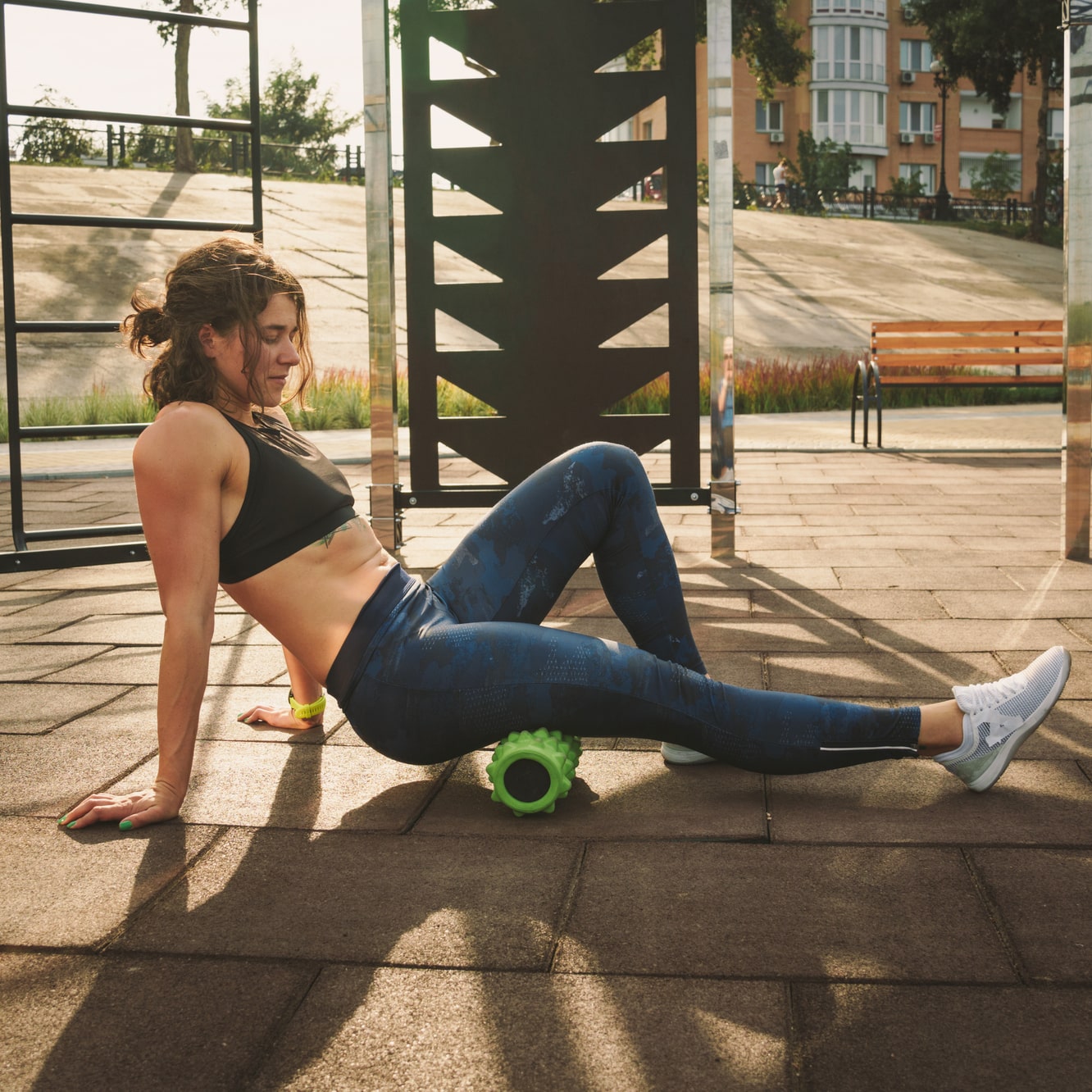
Effective Trigger Point Tools for Thigh Injury Relief
Dealing with thigh injuries can be a significant hurdle for athletes and fitness enthusiasts, but the right recovery tools can aid in your healing process and help you get back to your peak performance.
We’ve curated a selection of trigger point tools and elastic bands designed to offer targeted pain relief and enhance muscle recovery. Foam rollers and other trigger point tools work by applying pressure to specific areas, helping to release muscle knots and improve blood flow.
Additionally, some of these tools incorporate electric vibration technology, providing a dual action of pressure and pulsation to penetrate deeply and relax the muscles. Elastic bands complement these tools by offering effective resistance training, which helps strengthen the injured muscles and prevent future injuries. By integrating these tools into your recovery routine, you can effectively manage thigh pain and support your body’s healing process, ensuring a quicker and more resilient return to your active lifestyle.
Must-Have Recovery Tools for Thigh Injury Relief

Running Box
€59,90
Comprehensive recovery solution
Thigh injuries can sideline even the most dedicated athletes, but the Running Box offers an effective solution for targeted recovery.
This comprehensive package includes essential tools designed to aid in the treatment and prevention of thigh injuries.
To use the Running Box for thigh injury recovery, start by incorporating the resistance bands into your warm-up routine to enhance muscle flexibility and strength. Follow up with the foam roller to release muscle tension and improve blood circulation. The included massage ball is perfect for targeting specific trigger points, providing deep tissue relief.
The Running Box’s versatile tools support effective thigh injury management, ensuring you can maintain peak performance and prevent future issues.
Sold out
Ultimate muscle relief tool
BLACKROLL® STANDARD foam roller offers an effective solution for targeted muscle relief of your thighs.
This versatile tool helps alleviate tension and enhance recovery by applying pressure to specific areas of your thigh.
To use, position the foam roller under your thigh and gently roll back and forth, focusing on tight or sore spots. This method promotes blood flow, reduces muscle knots, and supports faster recovery.
The BLACKROLL® STANDARD’s durable and lightweight design makes it an essential addition to your fitness regimen. Its high-density foam ensures consistent performance, making it perfect for daily use. Whether you’re dealing with muscle strains or general soreness, this foam roller provides a practical and efficient way to manage thigh injuries, helping you stay on track with your training goals.

Theragun Wavesolo
€90,00
Deep Tissue Vibration Therapy
The TheraGun Wave Solo offers a targeted solution for effective pain relief for your thigh injuries.
This compact and powerful device uses innovative vibration therapy to alleviate muscle tension and promote faster recovery.
To use the Wave Solo on your thigh injury, simply power on the device, select your desired intensity, and gently press it against the affected area. Move the device slowly along the thigh muscles, allowing the vibrations to deeply penetrate and relieve discomfort. This method helps to release muscle knots, reduce stiffness, and improve blood circulation, aiding in quicker healing.
The TheraGun Wave Solo’s lightweight design and portability make it an essential tool for on-the-go recovery. Its user-friendly interface and precision allow for targeted treatment, ensuring that you can manage thigh pain effectively and continue to pursue your fitness goals.

Theragun 12 Wave Roller
€170,00
Vibrating Foam Roller
The Theragun Wave Roller offers a practical solution for effective pain relief and muscle recovery, making it an ideal tool for managing thigh injuries that can hinder your athletic performance.
This innovative device combines foam rolling with powerful vibration therapy to alleviate tension and promote healing in your thigh muscles.
To use, power on the Theragun Wave Roller and select your desired vibration intensity. Place the roller under your thigh and slowly move it along the length of your muscles, focusing on areas with the most tension. The combined pressure and vibration help to release muscle knots, improve blood flow, and reduce soreness.
The Theragun Wave Roller’s durable construction and customizable vibration settings make it an essential tool for athletes and avid exercisers. Its ergonomic design ensures ease of use, allowing you to effectively manage thigh injuries and enhance your recovery routine. With its targeted approach, the Wave Roller helps you stay ahead of thigh pain and maintain your active lifestyle.
⭐⭐⭐⭐⭐
Excellent guidance over the phone, where I got answers to the questions I had. Afterwards, I received my new Recovery Boots K8 Gen2, which I have already become very fond of - a definite recommendation from here!
⭐⭐⭐⭐⭐
Fast and accurate delivery, the follow-up is really good style. My son struggles with heavy legs, and they have really helped here. I myself use them after cycling for recovery and sore muscles. World-class.
⭐⭐⭐⭐⭐
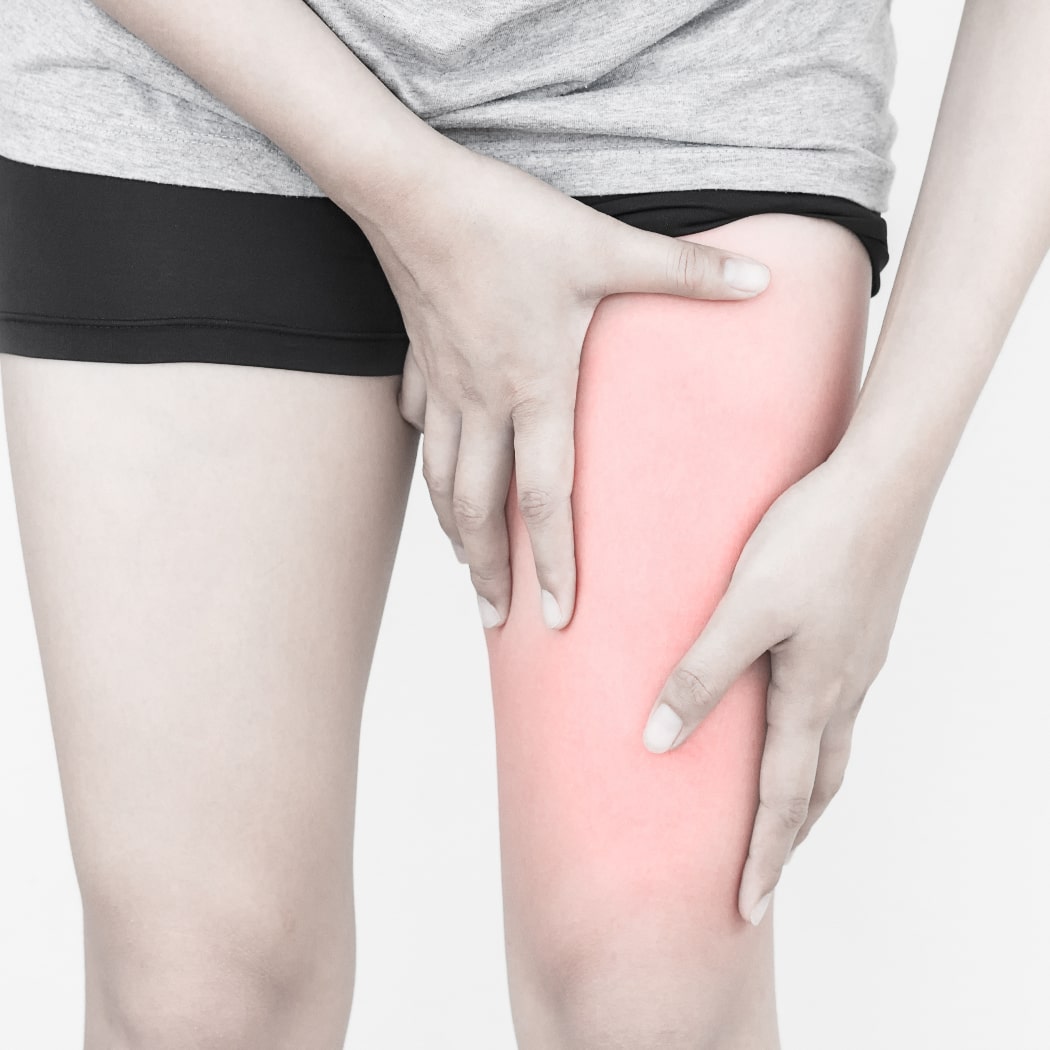
Common Thigh Injuries in Sports
Playing sports can often lead to various thigh injuries. These are usually muscle strains or tears, contusions, and tendon problems. Knowing about these injuries can help you prevent them or recognize the need for treatment.
Strains and Tears
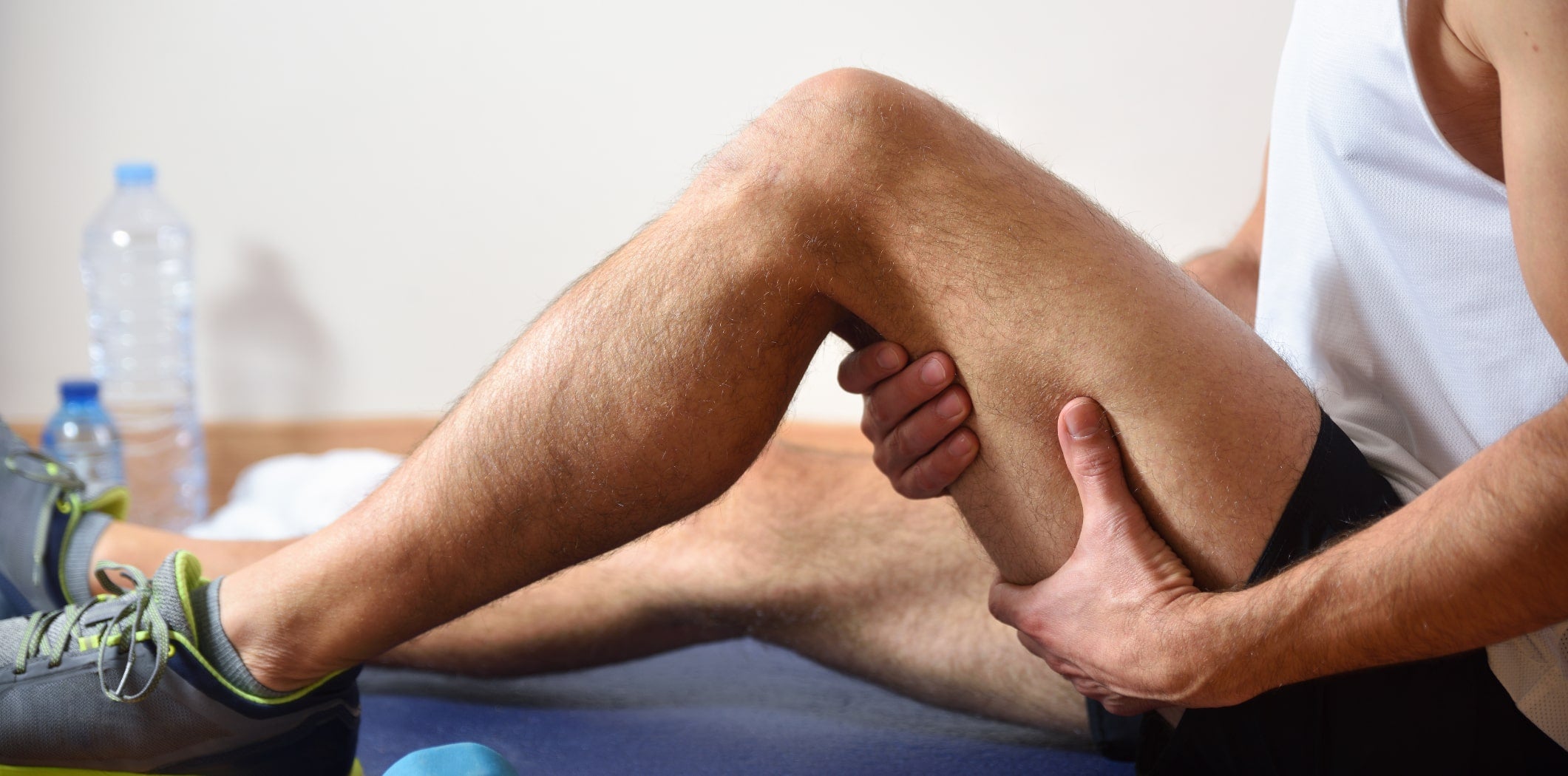
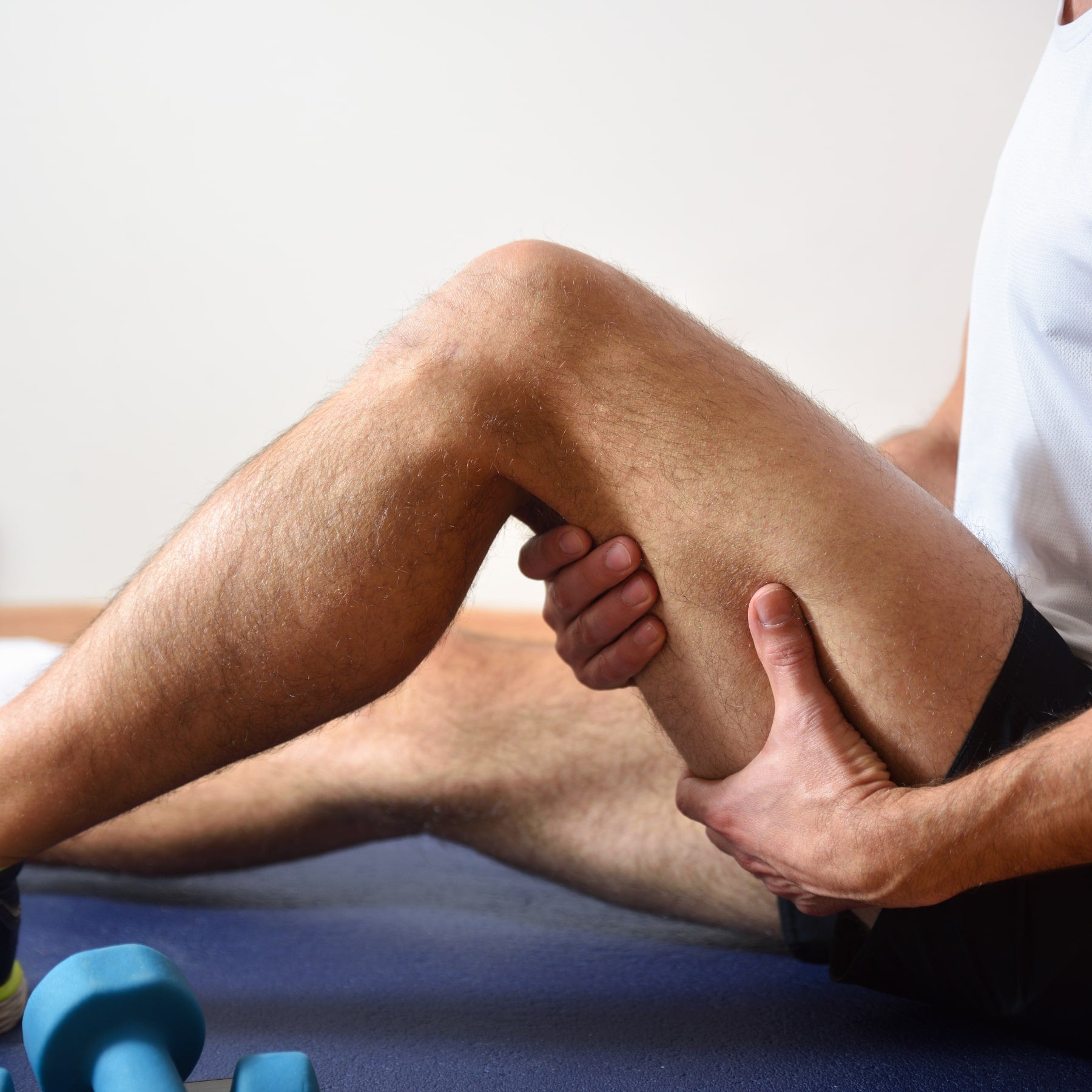
Thigh strains and tears happen when muscles are overstretched or overloaded. This is common in sports that involve running, jumping, or sudden changes in direction. Symptoms include pain, swelling, and bruising. You may also experience difficulty moving the leg. Rest, ice, compression, and elevation (RICE) are crucial for initial treatment. Severe cases may require physical therapy or surgery.
Contusions and Hematomas
Contusions are bruises caused by direct blows to the thigh. Hematomas are collections of blood outside blood vessels. Both injuries result in pain, swelling, and discoloration. Athletes in contact sports like football or soccer are prone to these injuries. Immediate treatment involves RICE and anti-inflammatory medications. Severe hematomas might need medical drainage.
Tendonitis and Bursitis
Tendonitis occurs when tendons get inflamed, usually due to overuse or repetitive movements. Bursitis is the swelling of bursae, which are fluid-filled sacs that cushion the joints. Both conditions cause pain and reduced movement. Treatments include rest, ice, and anti-inflammatory drugs. Physical therapy can help strengthen the muscles around the thigh.
I've always had sore muscles
As a triathlete, I've always had sore muscles the day after long training sessions, but that's over now. I use them almost daily and now have fresh legs even after my first half Ironman. I recommend this to anyone who wants good/fresh legs every day. They are easy to use and the service is great if you have questions - recommended for everyone.
Anatomy of the Thigh
To fully grasp the complexities of thigh injuries, it’s essential to understand the anatomy of the thigh. The thigh is composed of several major muscles, including the quadriceps at the front, the hamstrings at the back, and the adductors on the inner side. These muscles work in unison to facilitate movement and provide stability. Additionally, the thigh contains important tendons, ligaments, and the femur, which is the longest and strongest bone in the human body. A detailed knowledge of these components helps in diagnosing and treating thigh injuries effectively.
This introduction sets the stage for a comprehensive exploration of thigh injuries in sports, emphasizing their importance, prevalence, and the basic anatomical structures involved.
Causes and Risk Factors
Common Causes
Thigh injuries in sports can occur due to a variety of reasons. Understanding these common causes can help in taking preventive measures and ensuring proper treatment. Here are some of the typical causes:
- Sudden Acceleration or Deceleration: Rapid changes in speed can put significant strain on the thigh muscles, leading to strains or tears. This is common in sports like soccer, basketball, and sprinting.
- Direct Blows or Trauma: Contact sports such as football and rugby often involve direct impacts to the thigh, which can result in bruises, contusions, or more severe muscle injuries.
Risk Factors
Several risk factors can increase the likelihood of sustaining a thigh injury. Being aware of these factors can help athletes take preventive steps to protect themselves. Key risk factors include:
- Previous Injuries: A history of thigh injuries can predispose an athlete to re-injury. Scar tissue and weakened muscles from previous injuries can make the thigh more vulnerable.
- Poor Conditioning and Flexibility: Athletes who do not maintain proper conditioning or flexibility are at higher risk. Strong and flexible muscles are less likely to be injured, whereas tight or weak muscles are more susceptible to strains and tears.
Symptoms and Diagnosis
Recognizing Symptoms
Identifying the symptoms of a thigh injury early can significantly impact the effectiveness of the treatment and the speed of recovery. Common symptoms to watch out for include:
- Pain and Swelling: Pain can range from mild to severe, depending on the extent of the injury. Swelling often accompanies pain, indicating inflammation.
- Bruising: Discoloration or bruising is a common symptom, especially in cases of muscle contusions and severe strains.
- Limited Mobility: Difficulty in moving the leg, such as bending the knee or lifting the thigh, can indicate a significant injury.
- Muscle Weakness: A noticeable reduction in muscle strength may be experienced, making it hard to perform usual activities.
- Muscle Spasms: Involuntary muscle contractions can occur, causing discomfort and further limiting mobility.
Diagnostic Methods
Accurate diagnosis is essential for determining the appropriate treatment plan. Healthcare professionals employ several diagnostic methods to evaluate the severity and type of thigh injury:
- Physical Examination: A thorough physical exam involves checking for tenderness, swelling, and the range of motion in the affected thigh. The doctor may also assess muscle strength and perform specific tests to pinpoint the injured area.
-
Imaging Techniques:
- MRI (Magnetic Resonance Imaging): An MRI provides detailed images of soft tissues, making it an excellent tool for identifying muscle, tendon, and ligament injuries.
- X-rays: While X-rays are primarily used to detect bone fractures, they can also help rule out other conditions that might mimic muscle injuries.
- Ultrasound: This imaging technique is useful for assessing muscle and tendon injuries, offering real-time images that can guide diagnosis and treatment.
- Diagnostic Tests: In some cases, additional tests such as nerve conduction studies or electromyography (EMG) may be performed to evaluate nerve function and rule out nerve-related issues.
Immediate Treatment and First Aid
The R.I.C.E. Method
The R.I.C.E. method is a widely recommended first aid treatment for most sports-related thigh injuries. It helps reduce swelling, relieve pain, and speed up the recovery process.
- Rest: Avoid activities that cause pain or further strain on the injured thigh. Resting the muscle allows it to begin the healing process.
- Ice: Apply ice packs to the injured area for 15-20 minutes every 2-3 hours during the first 48 hours post-injury. This helps to reduce swelling and numb the pain.
- Compression: Use an elastic bandage or compression wrap to support the thigh and reduce swelling. Ensure the wrap is snug but not too tight, as it should not impede blood flow.
- Elevation: Keep the injured thigh elevated above the level of your heart whenever possible. This helps to minimize swelling and promote fluid drainage.
Medications
Medications can be useful in managing pain and reducing inflammation associated with thigh injuries.
- Over-the-Counter Pain Relievers: Non-steroidal anti-inflammatory drugs (NSAIDs) such as ibuprofen or acetaminophen can help alleviate pain and reduce inflammation. Follow the dosage instructions on the packaging and consult a doctor if needed.
- Prescription Medications: In more severe cases, a healthcare provider may prescribe stronger pain relievers or muscle relaxants to manage symptoms effectively. Always use prescription medications as directed by a healthcare professional.
When to Seek Medical Help
While many thigh injuries can be managed with basic first aid and home care, certain signs indicate the need for professional medical evaluation and treatment.
Red Flags Indicating Severe Injury:
- Inability to bear weight on the affected leg
- Severe pain that does not improve with rest and medication
- Visible deformity or abnormal appearance of the thigh
- Significant swelling or bruising
- Signs of infection, such as redness, warmth, or fever
If any of these symptoms are present, it's crucial to seek immediate medical attention to prevent further complications and ensure appropriate treatment.
Rehabilitation and Recovery
Physical Therapy
Physical therapy plays a crucial role in the rehabilitation of thigh injuries. Under the guidance of a professional therapist, athletes can engage in exercises specifically designed to restore strength, flexibility, and range of motion in the injured thigh. These exercises are often progressive, starting with gentle movements and gradually increasing in intensity as the muscle heals. The goal of physical therapy is to ensure a full recovery while minimizing the risk of re-injury.
Massage Therapy
Massage therapy can significantly aid in muscle recovery by improving blood circulation and reducing muscle tension. Different techniques, such as deep tissue massage, myofascial release, and sports massage, can be tailored to address the specific needs of the injured muscle. Regular massage therapy sessions can help in alleviating pain, reducing inflammation, and speeding up the healing process.
Strengthening and Conditioning
Once the initial pain and swelling have subsided, it's essential to begin strengthening and conditioning exercises. These exercises focus on rebuilding the muscle strength and endurance lost during the injury period. A well-structured conditioning program not only helps in regaining the lost muscle strength but also in improving overall athletic performance. Incorporating a balance of strength training, flexibility exercises, and cardiovascular conditioning can help in preventing future injuries.
Preventing Future Injuries
Incorporating injury prevention strategies is a critical component of the rehabilitation process. This includes proper warm-up routines, stretching exercises, and strength training to ensure that the muscles are adequately prepared for the demands of the sport. Athletes should also focus on maintaining good form and technique to reduce the risk of re-injury.
Building Muscle Strength and Flexibility
Maintaining a balance between muscle strength and flexibility is key to a successful recovery. Strengthening exercises should target not only the injured muscle but also the surrounding muscles to ensure comprehensive recovery. Flexibility exercises, such as dynamic and static stretching, help in maintaining the elasticity of the muscles and preventing stiffness.
Prevention Strategies
Proper Warm-Up and Cool-Down
A well-structured warm-up and cool-down routine is essential in preventing thigh injuries. Warming up helps to increase blood flow to the muscles, enhancing flexibility and preparing the body for the physical demands of sports. A proper cool-down aids in gradual recovery and reduces muscle stiffness.
Importance of Warm-Up Routines
Engaging in a dynamic warm-up routine, which includes exercises such as leg swings, lunges, and high knees, can significantly reduce the risk of muscle strains. The goal is to progressively increase heart rate and muscle temperature.
Effective Cool-Down Techniques
A cool-down should include light aerobic activity and static stretching. This helps in the removal of lactic acid and reduces the likelihood of delayed onset muscle soreness (DOMS).
Stretching Exercises
Regular stretching is crucial for maintaining flexibility and preventing muscle tightness, which can lead to injuries.
Key Stretches for Thigh Muscles
Incorporate stretches that target the quadriceps, hamstrings, and adductors. Examples include standing quad stretches, hamstring stretches, and butterfly stretches.
Maintaining Flexibility
Consistency is key. Stretching should be performed regularly, both before and after physical activity, to maintain optimal muscle length and flexibility.
Strength Training
Building muscle strength helps in supporting the thigh muscles and reducing the risk of injury. A balanced strength training program can enhance overall athletic performance.
Exercises to Strengthen the Thigh
Focus on exercises such as squats, lunges, and leg presses to strengthen the quadriceps and hamstrings. Incorporate resistance training to increase muscle endurance and power.
Balancing Strength and Flexibility
It's important to strike a balance between strength and flexibility. Overemphasis on one can lead to imbalances and potential injuries.
Use of Protective Gear
Protective gear can play a significant role in preventing thigh injuries, especially in contact sports.
Importance in Contact Sports
In sports like football and rugby, the use of padded shorts and thigh guards can help absorb impact and reduce the risk of contusions and other injuries.
Types of Protective Gear
Options include padded compression shorts, thigh guards, and customized protective wear. Selecting the appropriate gear based on the sport and individual needs is crucial for effective protection.
Return to Sports
Criteria for Returning to Play
Deciding when an athlete is ready to return to sports after a thigh injury is critical to prevent re-injury and ensure complete recovery.
Physical Readiness
An athlete must demonstrate adequate strength, flexibility, and endurance in the injured thigh. This includes the ability to perform sport-specific movements without pain or limitation.
Medical Clearance
Obtaining clearance from a healthcare professional is essential. This typically involves a thorough physical examination and may include imaging tests to ensure the injury has fully healed.
Gradual Return
A phased approach to returning to sports helps in safely transitioning back to full activity. This minimizes the risk of re-injury and allows for monitoring progress.
Phased Approach to Returning
The return to sports should be gradual, starting with low-intensity activities and progressively increasing intensity and duration. This might include light jogging, non-contact drills, and eventually full-contact practice.
Monitoring and Adjusting Training
Regular assessment of the athlete’s condition is crucial during the return phase. Adjustments to the training regimen should be made based on the athlete's response to increased activity levels. This includes paying attention to any signs of discomfort or pain.
FAQ for knee pain in sport
Learn about common knee injuries among athletes, treatment methods, rehabilitation exercises, and when to seek medical help.
The most common thigh injury in sports is a hamstring strain, which occurs when the hamstring muscles are overstretched or torn.
Recovery time for a hamstring strain can vary depending on the severity of the injury. Mild strains may take a few weeks, while more severe strains can take several months to fully heal.
Yes, thigh injuries can be prevented through proper warm-up and cool-down routines, regular stretching, strength training, and using protective gear when necessary.
Exercises such as squats, lunges, leg presses, and hamstring curls are effective for strengthening the thigh muscles. It's important to balance these with flexibility exercises.
You should see a doctor if you experience severe pain, significant swelling, inability to move the leg, or if the symptoms do not improve with initial treatment.
Pain from a thigh contusion can be managed using the R.I.C.E. method (Rest, Ice, Compression, Elevation), over-the-counter pain relievers, and by avoiding activities that aggravate the pain.
Signs of a stress fracture in the thigh include persistent pain that worsens with activity, swelling, and tenderness in a specific area of the thigh.
Playing sports with a mild thigh injury can be risky and may lead to more severe injury. It's best to rest and allow the injury to heal fully before resuming sports activities.
A balanced diet rich in protein, vitamins, and minerals can support the healing process. Proper nutrition helps repair damaged tissues and reduces inflammation.
Supplements such as protein powder, omega-3 fatty acids, and certain vitamins like Vitamin D and C can aid muscle recovery. However, it's best to consult with a healthcare provider before starting any new supplement regimen."
FAQ for Shipping and delivery
Welcome to our Shipping and Delivery FAQ section! Here you'll find answers to frequently asked questions regarding shipping times, delivery methods, tracking, and more. We aim to provide clarity and transparency about our shipping process to ensure a smooth and satisfactory experience for our valued customers.
We offer free shipping for purchases over € 99 to a GLS parcel shop.
Purchases under € 99 incur a shipping fee of € 12.
We mainly ship with GLS but also with Bring, and local carriers.
We ship within 1-3 business days. The package is often delivered between 2-3 days.

Contact Us via Email
customerservice@optimasport.com
Feel free to email us with any questions. We typically respond within 2 days. Your inquiries are always welcome!